Story of Premature Twins Highlights Early Evidence Supporting Skin-to-Skin Care

Story of Premature Twins Highlights Early Evidence Supporting Skin-to-Skin Care
In 1995, a reported case involving premature twins at a hospital in Massachusetts drew attention to the potential benefits of close physical contact in neonatal care.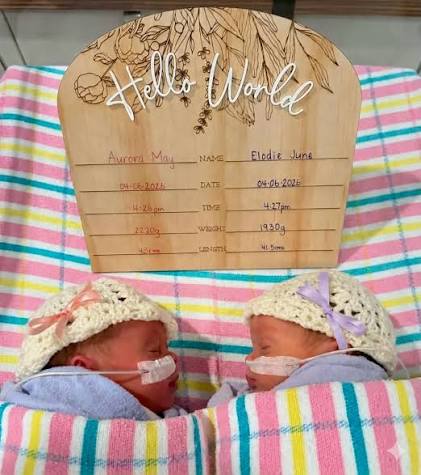
The twins, Kyrie and Brielle, were born prematurely and required intensive care. Medical reports from the period describe one twin as showing signs of gradual improvement, while the other experienced significant medical instability in the days following birth.
According to accounts from staff involved at the time, a nurse placed the twins in close proximity in an incubator, allowing for skin-to-skin contact under controlled conditions. This approach, later associated with what is now widely known as “kangaroo care,” has since been studied in neonatal medicine.
Following this intervention, changes were reportedly observed in the infants’ vital signs, including improved temperature regulation and stabilization of breathing patterns in the more vulnerable twin. However, medical experts emphasize that outcomes in such cases are influenced by multiple factors, and improvements cannot be attributed to a single intervention alone.
Since the 1990s, skin-to-skin contact has become a recognized practice in neonatal intensive care units worldwide. Research has shown that it can support temperature stability, bonding, breastfeeding success, and overall physiological stability in premature infants when applied appropriately.
Medical professionals caution that each neonatal case is unique, and treatment decisions must always be guided by clinical assessment and evidence-based protocols.
The story of these twins has since been cited in discussions about the evolution of family-centered care in neonatal medicine and the growing understanding of the role of parental and physical contact in infant recovery.