From a $2.04 Billion Lottery Ticket to Burned Neighborhoods: The Story of Edwin Castro’s Reported Land Purchases
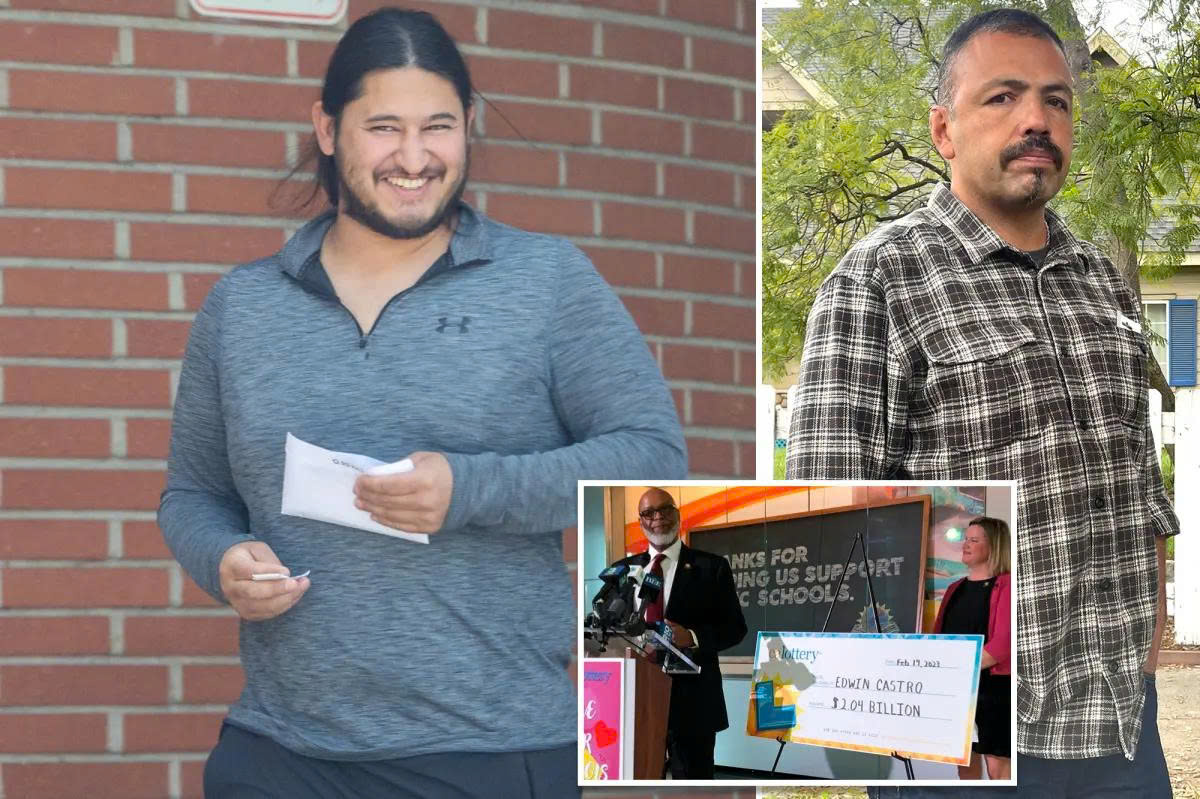
From a $2.04 Billion Lottery Ticket to Burned Neighborhoods: The Story of Edwin Castro’s Reported Land Purchases
When Edwin Castro won the historic $2.04 billion Powerball jackpot—the largest lottery prize ever recorded in the United States—his life instantly became the definition of extreme transformation.
He went from an ordinary life to unimaginable wealth in a single night.
At the time, most people expected the same outcome we always associate with sudden billionaires: luxury mansions, private cars, celebrity isolation, and a life far removed from everyday reality.
But years later, a very different narrative began circulating.
After the Fires, a Different Kind of Investment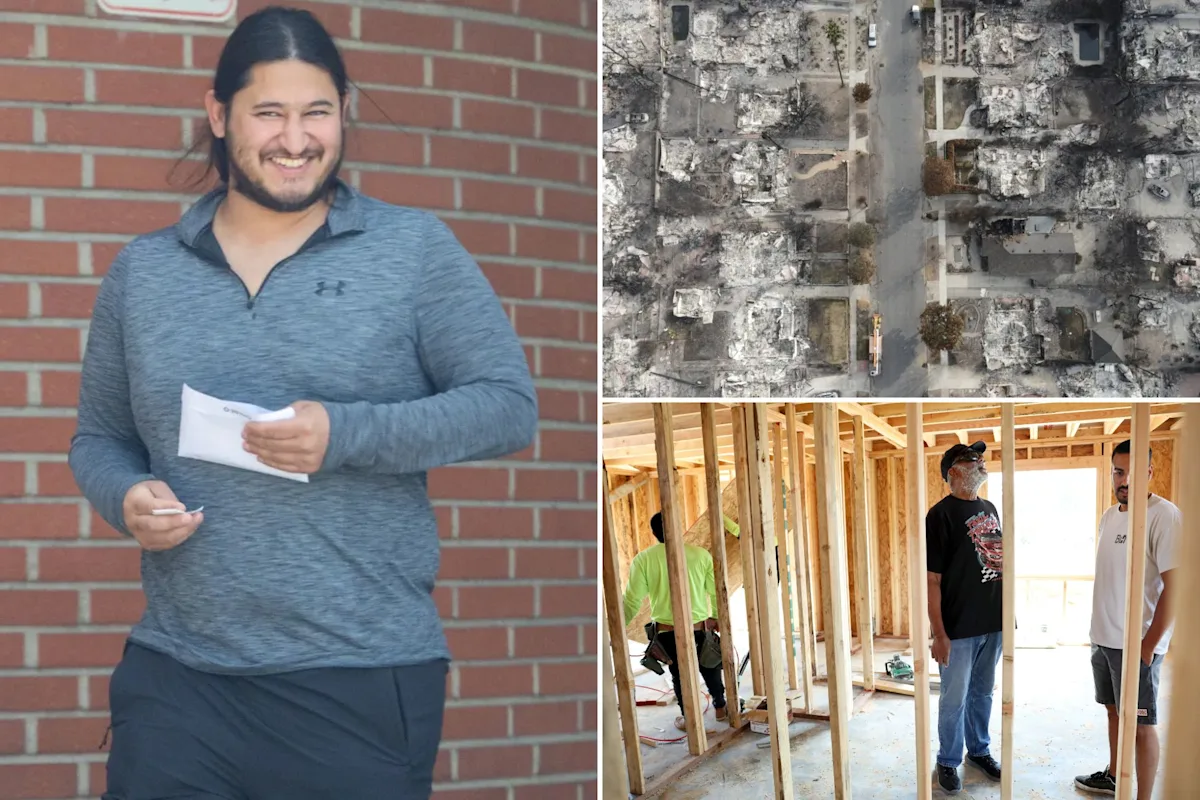
Following devastating California wildfires that destroyed large parts of Altadena, reports from local media and real estate observers suggested that Castro had begun purchasing fire-damaged parcels in the area where he once lived.
According to these reports, the number of properties involved is estimated at around 15 burned or heavily damaged lots, representing millions of dollars in post-disaster land acquisitions.
However, it is important to note that many of these details remain based on local reporting and real estate speculation, and full official confirmation of the scope and intent of these purchases has not been publicly documented in detail.
Still, the pattern of buying fire-affected land has drawn attention because of what it could represent.
Rebuilding or Reinventing a Community?
The reported idea behind these acquisitions is not simply land speculation. Instead, some accounts suggest a broader vision: rebuilding single-family homes in a community deeply affected by disaster.
If true, this approach would place Castro in a rare category of post-disaster investors—those who claim to focus on restoration rather than redevelopment or large-scale commercial projects.
In theory, such a plan could help:
- Restore housing in devastated neighborhoods
- Prevent large institutional investors from dominating rebuild zones
- Preserve the original character of affected communities
But it also raises complex questions.
The Double Loss After Wildfires
In many wildfire-affected regions in California, destruction does not end when the flames are extinguished.
Communities often face a second crisis:
- Rising land prices during recovery
- Long rebuilding timelines that push residents away
- Large investors acquiring damaged properties
- Original families being unable to return
This leads to what some urban researchers describe as a “double displacement”—first by disaster, and then by redevelopment economics.
Altadena, like many similar communities, sits right at the center of that tension.
A Billionaire, a Hometown, and a Controversial Opportunity
For Edwin Castro, the situation creates a complicated public perception.
On one hand, his reported interest in fire-damaged properties could be seen as a form of reinvestment into a community tied to his personal history.
On the other hand, any large-scale buying activity in disaster zones often triggers concern about wealth concentration and long-term displacement of local residents.
That contrast is what keeps the story circulating:
- A lottery winner with unprecedented wealth
- A neighborhood recovering from destruction
- And a fragile balance between rebuilding and redevelopment
Conclusion: More Than Just Land
Whether these acquisitions become a true community rebuilding effort or simply another chapter in California’s competitive real estate market remains unclear.
What is certain is that the story is no longer just about a lottery jackpot.
It is about what happens when extreme wealth intersects with disaster recovery—and how quickly the future of a neighborhood can be reshaped after the fire goes out.