Extremely Premature Birth Leads to Intensive Care Journey for Infant Bella
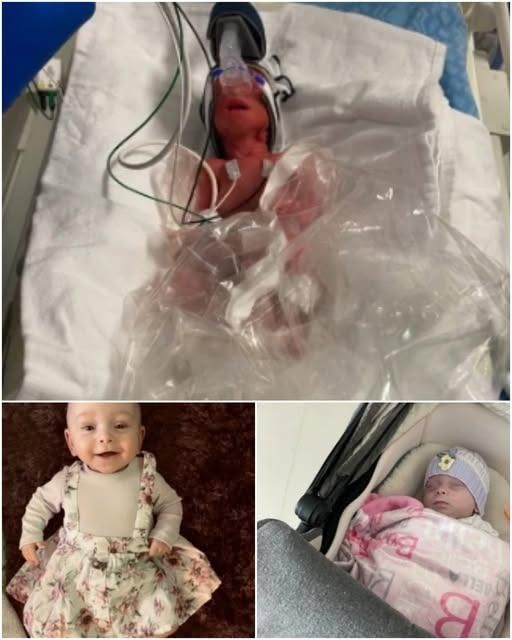
Extremely Premature Birth Leads to Intensive Care Journey for Infant Bella
Bella, born at 26 weeks’ gestation following a medical emergency, required immediate and prolonged care in a neonatal intensive care unit after delivery.
Her mother, Rebecca, underwent an urgent caesarean section after experiencing a sudden medical collapse shortly before the birth. Medical staff were able to deliver the baby safely and provide critical neonatal intervention.
Following birth, Bella faced a range of serious complications commonly associated with extreme prematurity, including infections, necrotizing enterocolitis (NEC), and feeding difficulties. She remained under continuous specialist care during her early months of life.
A multidisciplinary medical team provided ongoing treatment, including respiratory support, infection management, and nutritional care, as part of her long-term stabilization process.
Over time, Bella’s condition improved with sustained medical intervention and close monitoring in the hospital setting.
Doctors report that she has since reached a significantly healthier weight and continues to develop under routine pediatric follow-up.
Medical professionals emphasize that survival and outcomes in extremely premature infants are highly dependent on intensive neonatal care, early intervention, and coordinated treatment over time.
Bella remains under observation as part of ongoing developmental monitoring, while her case highlights advances in neonatal medicine and critical care support for premature infants.