She Walked into the ER Alone: Shreya Bhatta’s Fight for Tomorrow
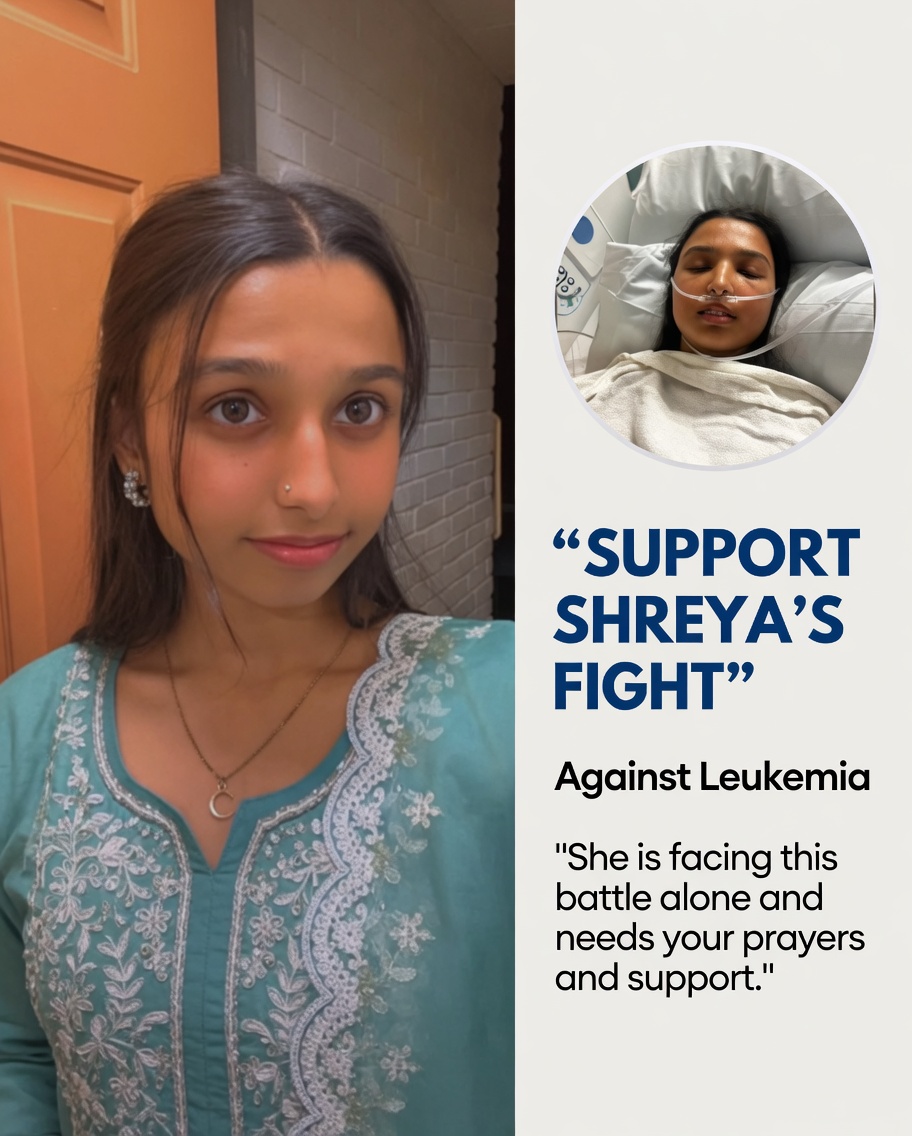
She walked into the ER alone… and walked out with a diagnosis that changed everything.
On March 5, 2026, 19-year-old Shreya Bhatta, a bright Nepali student thousands of miles from home at Texas State University, felt her world shift in the most terrifying way. What started as concerning symptoms led her to seek medical help by herself — no family, no close relatives nearby, just a young woman navigating a foreign healthcare system in a new country. Hours later, doctors delivered the life-altering news: Acute Leukemia, specifically an aggressive form known as Acute Promyelocytic Leukemia (APL). In an instant, her dreams of studying, building a future in America, and making her family proud collided with an uncertain battle for survival.
Shreya had arrived in Texas full of hope and ambition. Like many international students, she left the comfort of Kathmandu behind to pursue higher education, chasing opportunities that promised a brighter tomorrow. She was independent, resilient, and focused — the kind of young woman who handled challenges with quiet determination. But nothing could have prepared her for this.
Acute Leukemia is a fast-moving cancer of the blood and bone marrow. In Shreya’s case, abnormal cells were rapidly crowding out healthy ones, leaving her body vulnerable. The diagnosis came as a shock, especially for someone so young. APL, while highly treatable with modern protocols involving targeted therapies like all-trans retinoic acid (ATRA) and arsenic trioxide combined with chemotherapy, demands immediate and intensive intervention. Delays can be dangerous, but Shreya acted quickly — and that swift response may have saved her life.
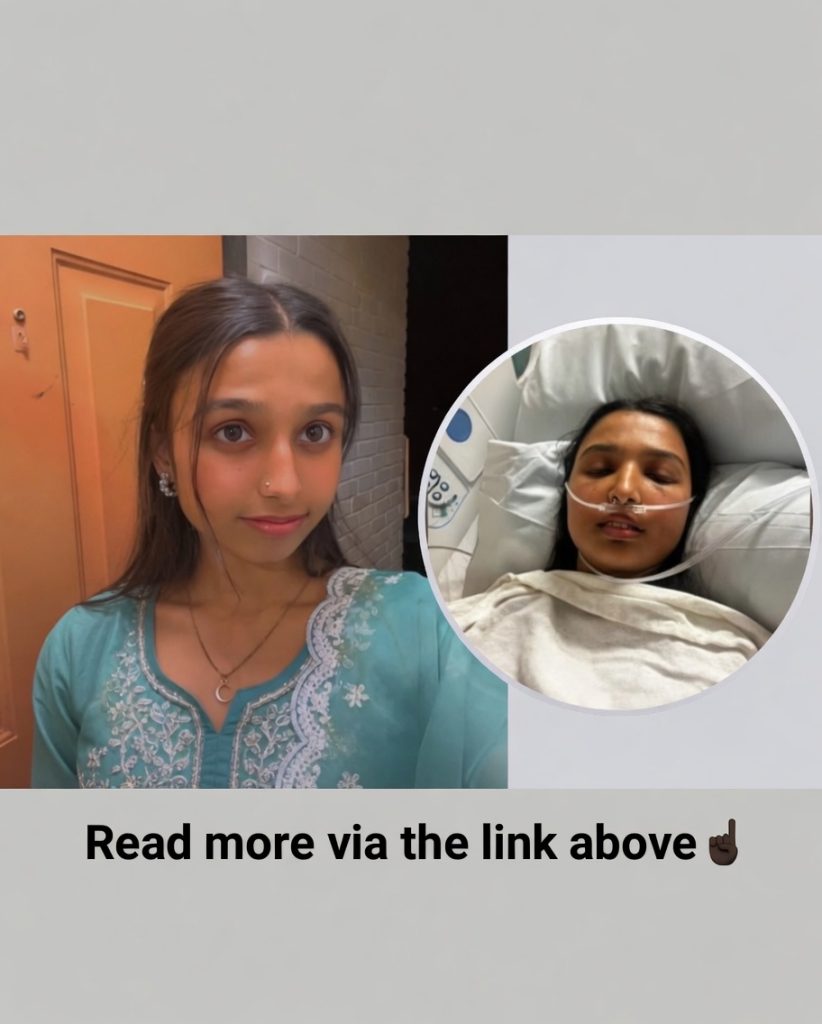
Since that fateful day in early March, Shreya has been hospitalized and fighting hard. She began chemotherapy right away, but the road has not been smooth. Like many patients undergoing aggressive treatment, she has faced serious complications — dangerously low blood counts, infections, and periods in the ICU where her body needed the most advanced support. At one point, she required a ventilator, yet she showed remarkable strength by eventually breathing on her own again. Her doctors remain encouraged by early signs that treatment is working, even as cancer cells still dominate her bloodwork. Full recovery is expected to take one to two years of ongoing therapy, monitoring, and careful healing.
What makes Shreya’s story especially poignant is her isolation. While many cancer patients lean on nearby family for emotional and practical support — rides to appointments, home-cooked meals, a hand to hold during tough nights — Shreya has faced this largely alone. Her parents and loved ones are back in Nepal, separated by oceans and time zones, able to offer only prayers, phone calls, and virtual encouragement. As an international F-1 student, she also contends with the added pressures of visa status, academic setbacks, and the high costs of American medical care.
Yet Shreya refuses to let fear define her. Friends and fellow Nepali students in Texas describe her as determined and positive even on the hardest days. She has shown incredible courage — enduring needle sticks, powerful medications, isolation protocols, and the emotional weight of an uncertain future. In quiet moments between treatments, she thinks about returning to her studies, reuniting with family, and one day using her education to help others. That inner fire keeps her going when her body feels weakest.
The Nepali community in Texas and beyond has rallied around her. A GoFundMe organized by her relative Biddhut Lamichhane has raised significant support — over $33,000 so far from more than 830 donors — toward the $100,000 goal. Funds help cover massive hospital bills, daily living expenses during treatment, and future recovery costs. Every donation represents more than money; it is a message that Shreya is not truly alone. Strangers, fellow students, alumni, and compassionate people worldwide have stepped up with prayers, kind words, and financial help.
Stories like Shreya’s shine a light on the hidden struggles of international students. Far from home, they often appear strong and self-sufficient on social media — posting campus life, new friendships, academic successes. But when crisis hits, the safety net many domestic students take for granted simply isn’t there. Language barriers, cultural differences, financial pressures, and immigration rules can make everything feel heavier. Shreya’s battle reminds us of the human cost behind the pursuit of the American dream.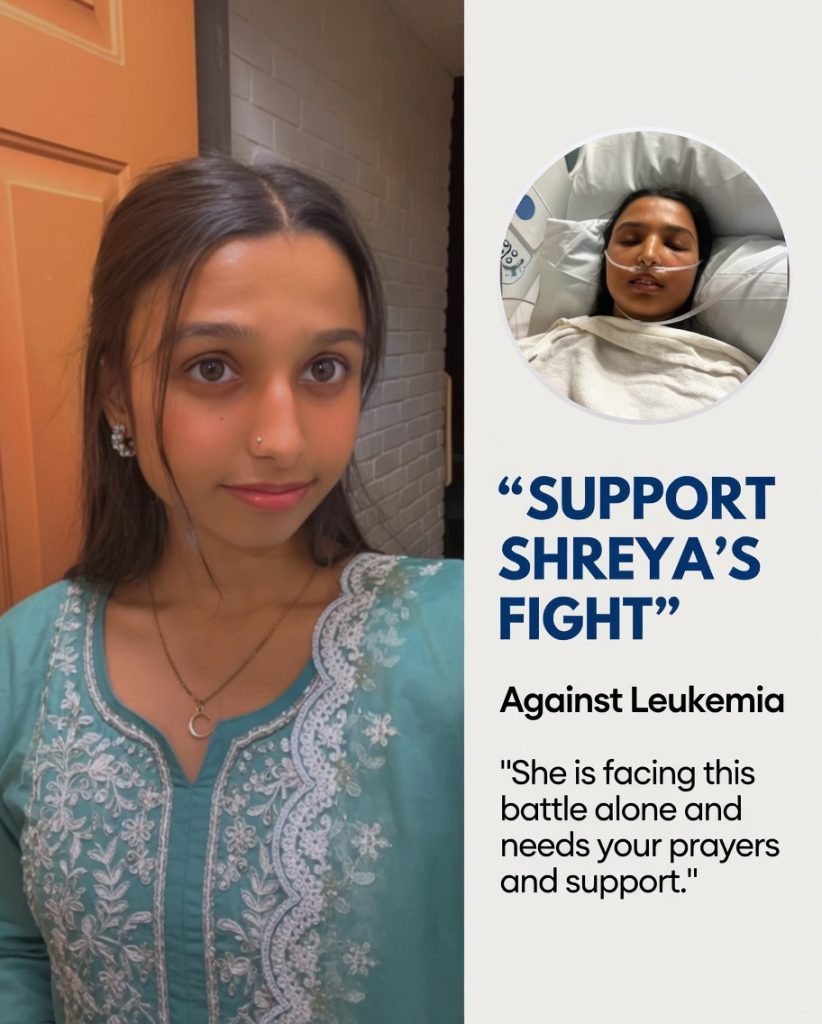
For Shreya’s family in Nepal, the pain is profound. A parent’s worst nightmare — their child suffering alone in a distant hospital — plays out across continents. They stay in constant contact, sending love and strength through every available channel. Their faith and resilience mirror their daughter’s. In Nepali culture, community and family bonds run deep; now that same spirit is extending across the globe through the Nepali diaspora and kind-hearted supporters.
Medically, Shreya is in good hands. Texas hospitals are equipped for complex leukemia cases, and APL is one of the success stories in oncology when treated promptly. Many patients achieve long-term remission and go on to live full lives. Shreya’s youth is on her side — younger patients often respond better and recover more fully. Still, the journey ahead includes more chemotherapy cycles, possible maintenance therapy, regular bone marrow checks, and the emotional work of rebuilding strength after treatment takes such a heavy toll.
Beyond the medical facts, this is a story about human endurance. It is about a 19-year-old who walked into an emergency room by herself and chose to keep fighting. It is about the quiet heroism of nurses who become temporary family, doctors who celebrate small victories like improved blood counts, and friends who deliver care packages and laughter to a hospital room. It is about the power of community rising when one young woman needed it most.
To Shreya: you are stronger than you know. Your courage in facing this alone has inspired thousands. Rest when your body demands it. Fight when you can. Know that people you have never met are rooting for you every single day. Your dreams — of graduation, career success, and returning home with pride — are still waiting for you. This chapter is brutal, but it does not get the final word on your story.
If you are reading this, consider supporting Shreya’s recovery. Whether through the GoFundMe, sharing her story, sending positive messages, or simply holding her in your thoughts and prayers — every gesture matters. For international students like Shreya, these acts of solidarity bridge the distance and remind them they belong to a larger human family.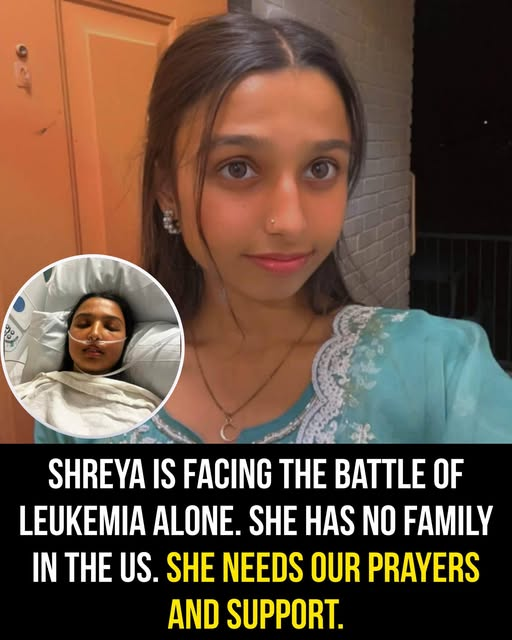
Shreya Bhatta walked into the ER alone, but she will not walk through this journey alone. The outpouring of love and support proves that kindness can cross borders, cultures, and oceans. Her fight is far from over, but hope burns bright.
We stand with you, Shreya. Keep fighting, little warrior. Brighter days — and a future full of possibility — are coming.