NEWS: Critics Wrote Elvis Off as Finished… But His 1970s Comeback Left Them Speechless
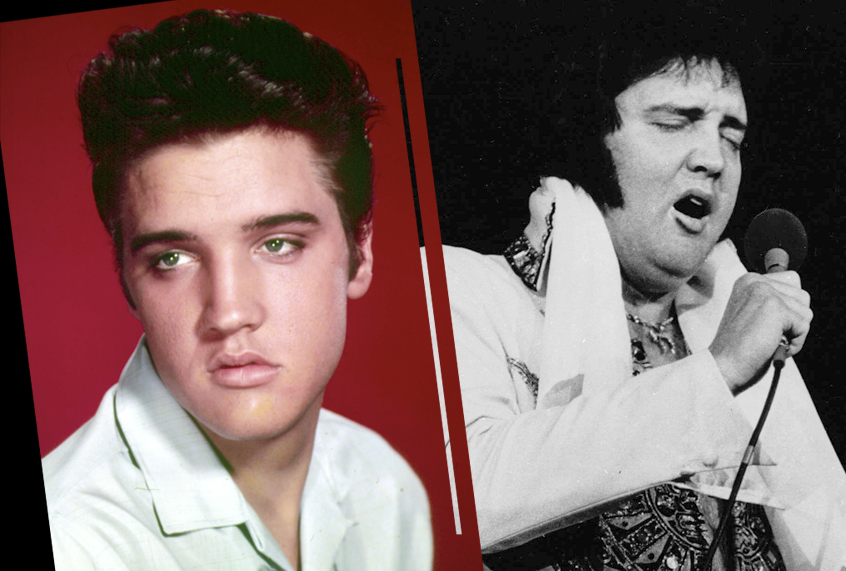
Elvis Presley’s 1970s Comeback: Critics Said He Was Finished — Then He Shook the World Again
How the King of Rock ‘n’ Roll silenced the doubters with raw power, emotional depth, and unforgettable live performances that redefined his legend.
In the late 1960s, many in the music industry had quietly written off Elvis Presley. The explosive energy of the 1950s that made him a global sensation had seemingly faded. The 1960s saw him starring in a string of formulaic Hollywood movies, while a new generation of artists — The Beatles, The Rolling Stones, and psychedelic rock — dominated the charts. To the critics, Elvis was becoming a nostalgic figure from a bygone era.
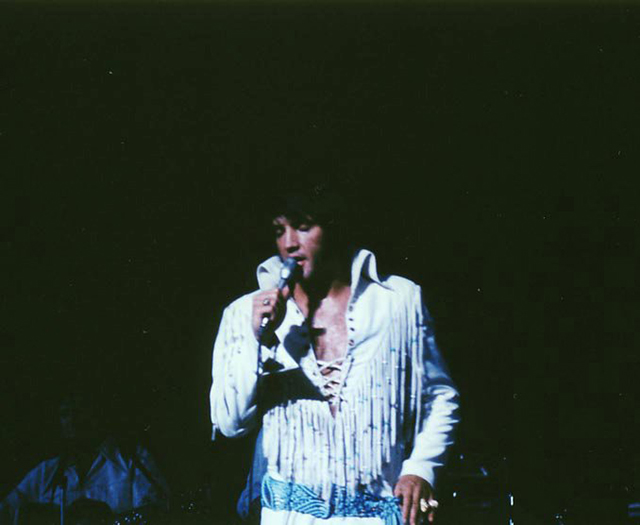
But Elvis had other plans. He refused to fade quietly into history.
The Historic 1969 Las Vegas Return
On July 31, 1969, Elvis made a triumphant return to the stage at the brand-new International Hotel in Las Vegas. After nearly nine years away from major live performances, he stepped in front of a capacity crowd of over 2,000 in a sleek black leather suit and delivered a show that would change everything.
From the opening notes of “Blue Suede Shoes,” it was clear: Elvis was not just back — he was better. He unleashed a set filled with raw energy, soulful ballads, and new material. Hits like “Suspicious Minds” (which became his first No. 1 hit in years), “Polk Salad Annie,” and powerful covers such as “Bridge Over Troubled Water” sounded fresher and more passionate than ever.
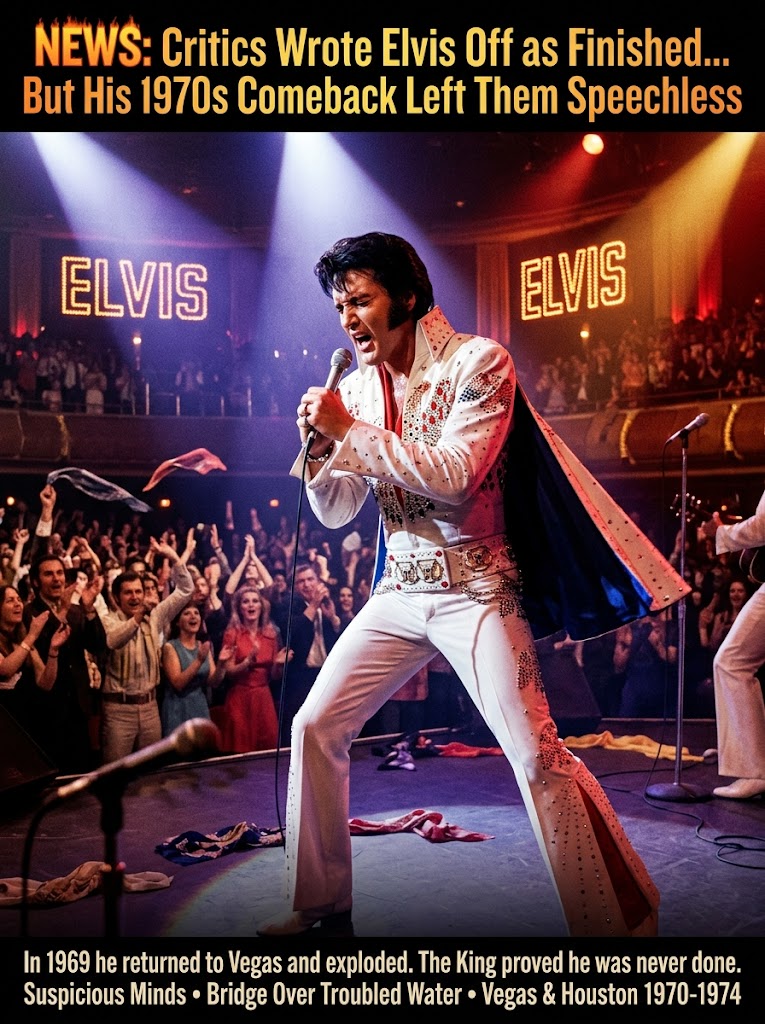
Critics who arrived expecting a tired retread of past glories were left speechless. One reviewer described him as performing “like a man trying to sing his entire soul into the room before time ran out.” The engagement shattered Las Vegas records, drawing over 100,000 fans across 57 sold-out shows and launching the modern era of residency performances in the city.
Turning Arenas into Intimate Moments
Elvis didn’t stop in Vegas. In 1970 and 1974, he took the stage at the Houston Astrodome, drawing massive crowds that shattered attendance records. Across six shows in 1970 alone, he performed for more than 200,000 fans — a staggering achievement that proved his star power remained unmatched.
What made these 1970s shows legendary wasn’t only the voice — though it had deepened into a rich, commanding instrument — but the connection. Dressed in his iconic white jumpsuits adorned with intricate embroidery and rhinestones, Elvis joked with the audience, shared scarves and kisses with fans, and turned enormous arenas into personal, emotional experiences.
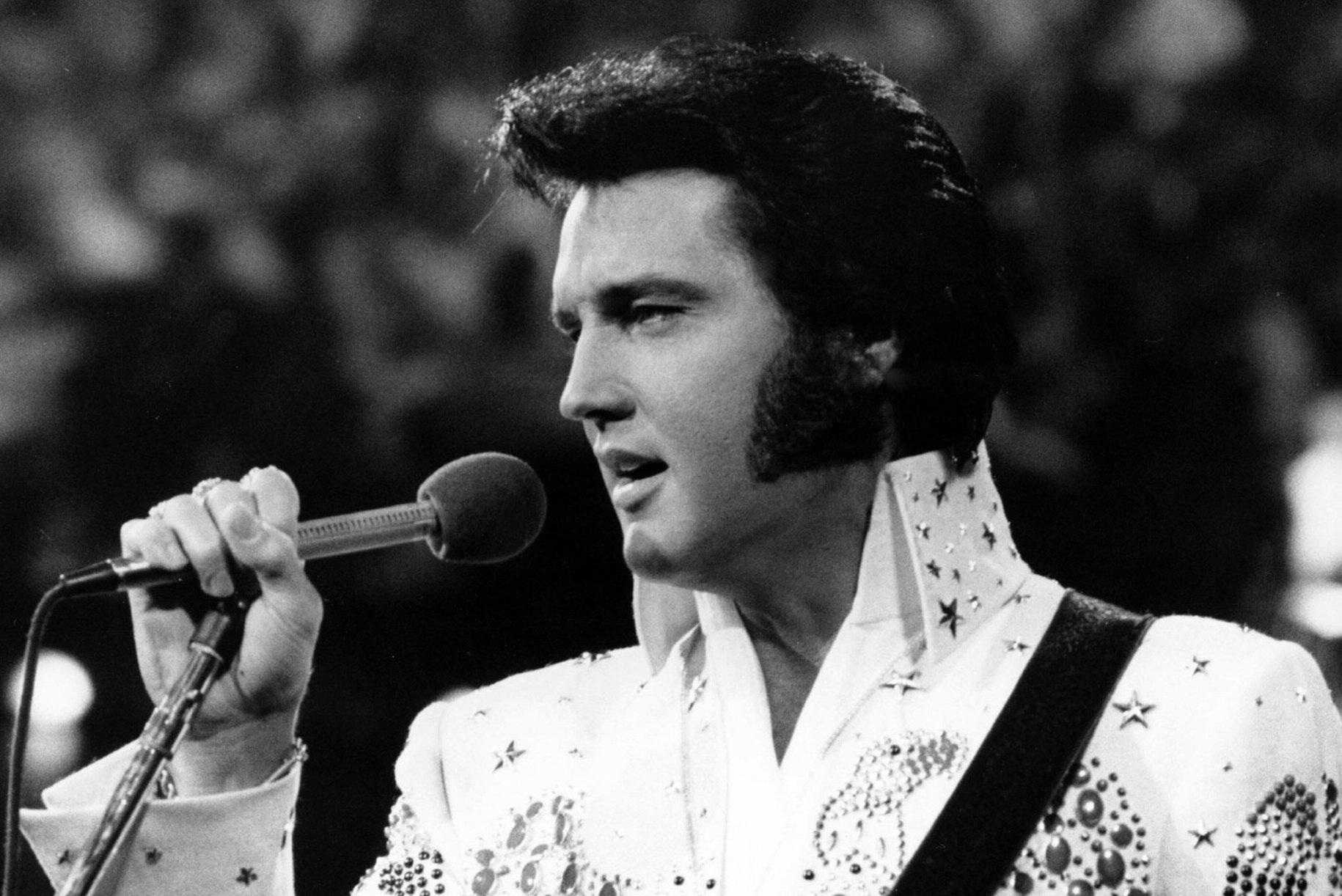
He laughed, sweated, and poured everything into every performance. Whether singing tender gospel-infused ballads or high-octane rockers, he made thousands feel seen and understood. It wasn’t nostalgia — it was evolution. Elvis was fighting back, proving that true artistry transcends trends.
A Legacy That Still Resonates
The 1970s comeback wasn’t just about reclaiming fame. It was Elvis at his most authentic — blending rock, soul, country, and gospel into a sound that was entirely his own. He wasn’t chasing the youth market. He was being himself, more powerfully than ever.
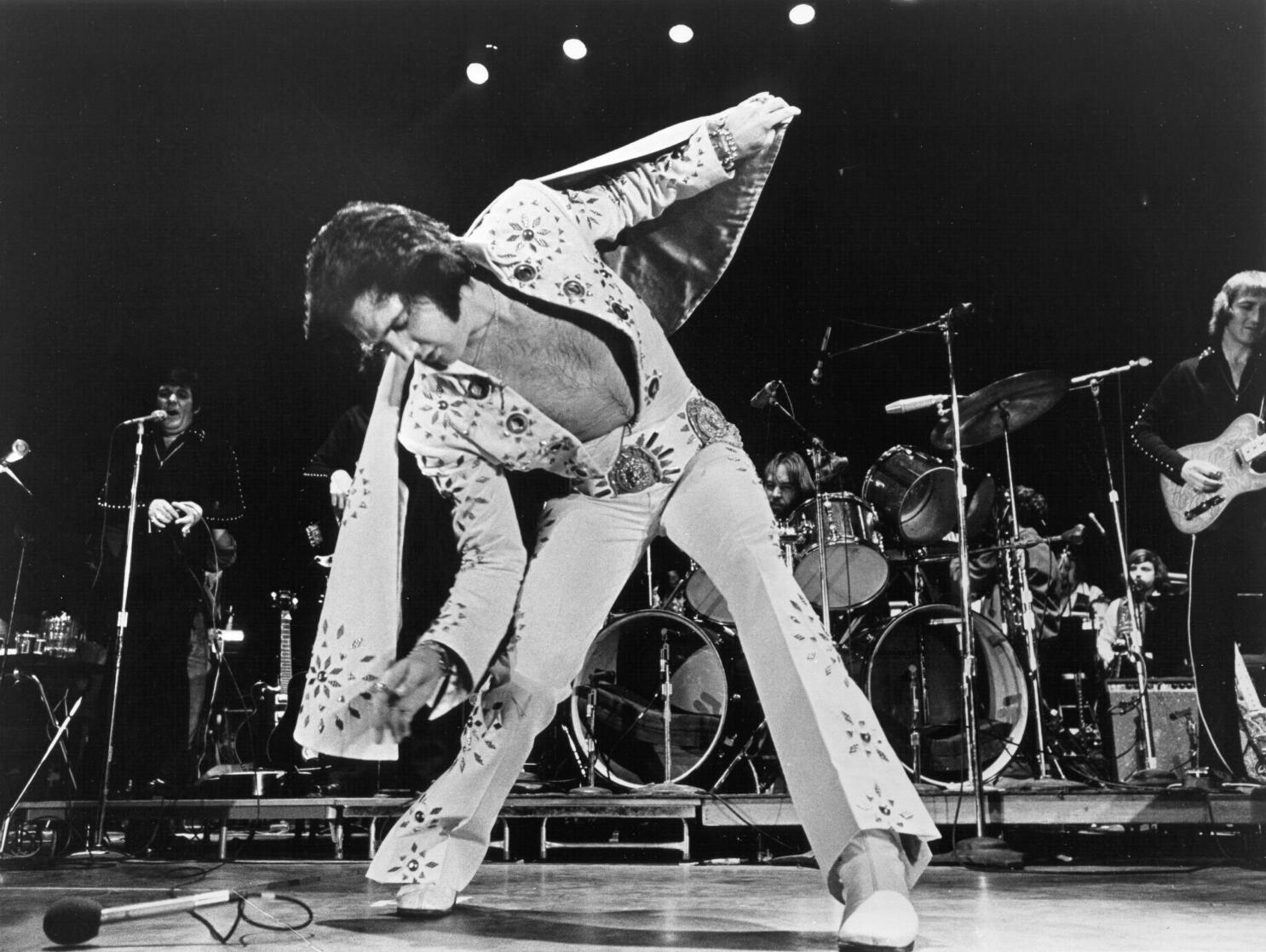
Those nights in Vegas and Houston reminded the world why Elvis earned the title “The King.” Beneath the fame, the jumpsuits, and the spotlight was a man who still had the rare ability to make people feel something profound every time he stepped on stage.
The critics who once wrote him off were forced to watch in awe as he proved, night after night, that real greatness doesn’t disappear when the trends change. It adapts. It grows. It endures.
The King never left the building.