Baton Rouge’s Dark Legacy: The Serial Killers Who Forever Changed Louisiana Law Enforcement
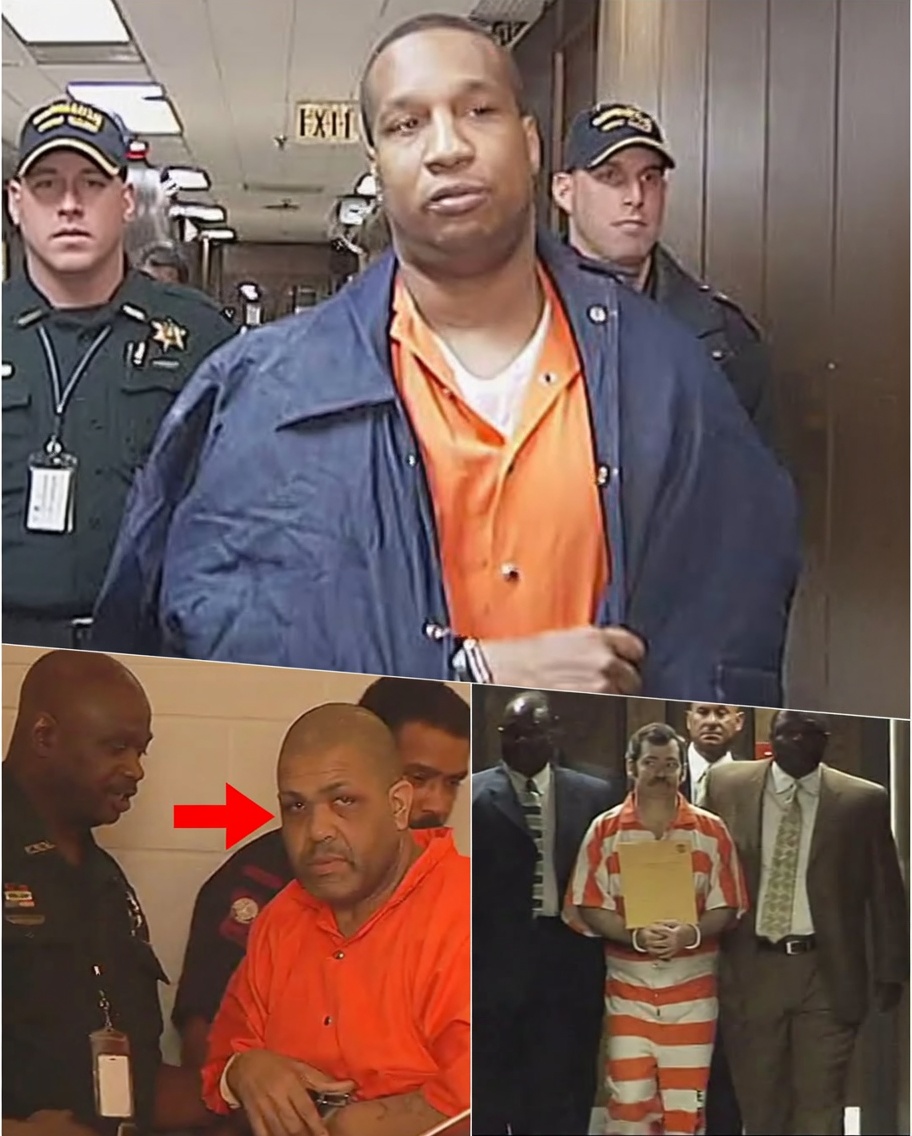
After 31 years as a prosecutor in Baton Rouge, a retiring veteran has opened up about the three serial killer cases that not only terrorized the community but transformed how crimes are investigated across Louisiana. The cases highlighted critical failures in inter-agency cooperation, elevated the importance of DNA evidence, and reshaped homicide investigations statewide.
The Baton Rouge area was plagued by multiple serial killers in the late 1990s and early 2000s, most notably Derrick Todd Lee (the Baton Rouge Serial Killer), who was linked to the murders of at least seven women between 1992 and 2003. Lee’s crimes exposed major flaws in how law enforcement agencies shared information and utilized forensic technology at the time. His eventual capture relied heavily on DNA evidence, marking a turning point in the use of genetic profiling in the region.
Other notorious figures included offenders whose cases forced police departments to collaborate more effectively. These investigations led to the creation of multi-agency task forces, improved communication protocols, and greater reliance on advanced forensics—changes that have influenced procedures far beyond Louisiana.
The prosecutor reflected emotionally on the human cost, noting that while convictions brought some justice, the pain inflicted on victims’ families and the community never truly fades. “The one heartbreaking truth that never changed,” she said, “is the irreversible damage done to families and the lasting fear left in the community.”
These cases not only terrorized Baton Rouge but served as a catalyst for modernizing criminal investigations in the state. Today, DNA databases, better coordination, and advanced techniques stand as direct legacies of the horror endured during those dark years.
The retiring prosecutor’s candid account serves as both a tribute to the progress made and a somber reminder of the work still needed to protect communities from such predators