NEWS: The Dark Emotional Toll of SVU That Fans Rarely See
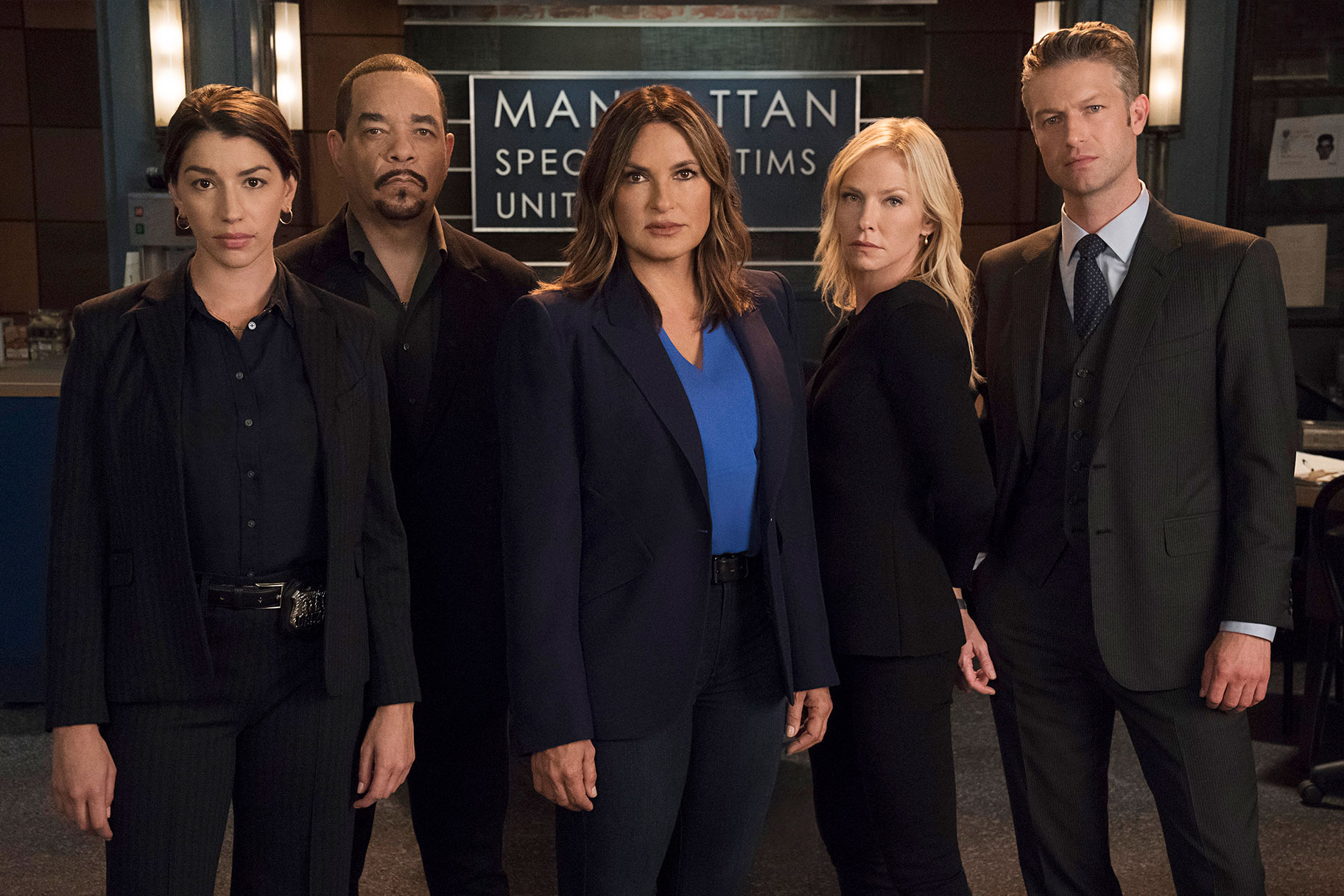
The Hidden Emotional Toll of SVU: How Mariska Hargitay’s Role as Olivia Benson Changed Her Forever For over 25 years, playing one of television’s most iconic detectives came at a profound personal cost — and inspired real-world change.
For more than a quarter-century, Mariska Hargitay has embodied Detective Olivia Benson on Law & Order: Special Victims Unit, delivering powerful performances that have resonated with millions. Yet behind the badge and the badge of honor lies a lesser-known story: the deep emotional toll the role has taken on the actress herself.
In candid interviews, Hargitay has openly discussed the “secondary trauma” she experienced from immersing herself in stories of sexual assault, domestic violence, child abuse, and unimaginable human suffering week after week. “I was definitely a victim of secondary trauma,” she revealed. “There’s been times when I didn’t know how to protect myself from being inundated with these stories — and knowing that they were true.”
The Weight of Empathy
From the show’s debut in 1999, Hargitay stepped into Benson’s world — a relentless advocate for victims in a unit that confronts society’s darkest crimes. The emotional intensity of filming scenes drawn from real-life cases began to blur the lines between character and actress. Hargitay has described how the constant exposure to trauma narratives affected her long after the cameras stopped rolling.
“I think I was definitely a victim of secondary trauma from being inundated with these stories,” she told Interview magazine. The sheer volume of painful material left her searching for ways to process what she was absorbing on set.
Rather than letting that pain consume her, Hargitay transformed it into purpose. In 2004, she founded the Joyful Heart Foundation, an organization dedicated to helping survivors of sexual assault, domestic violence, and child abuse heal and reclaim their lives. What began as a response to fan letters from survivors — many disclosing their experiences for the first time — grew into a powerful advocacy platform.
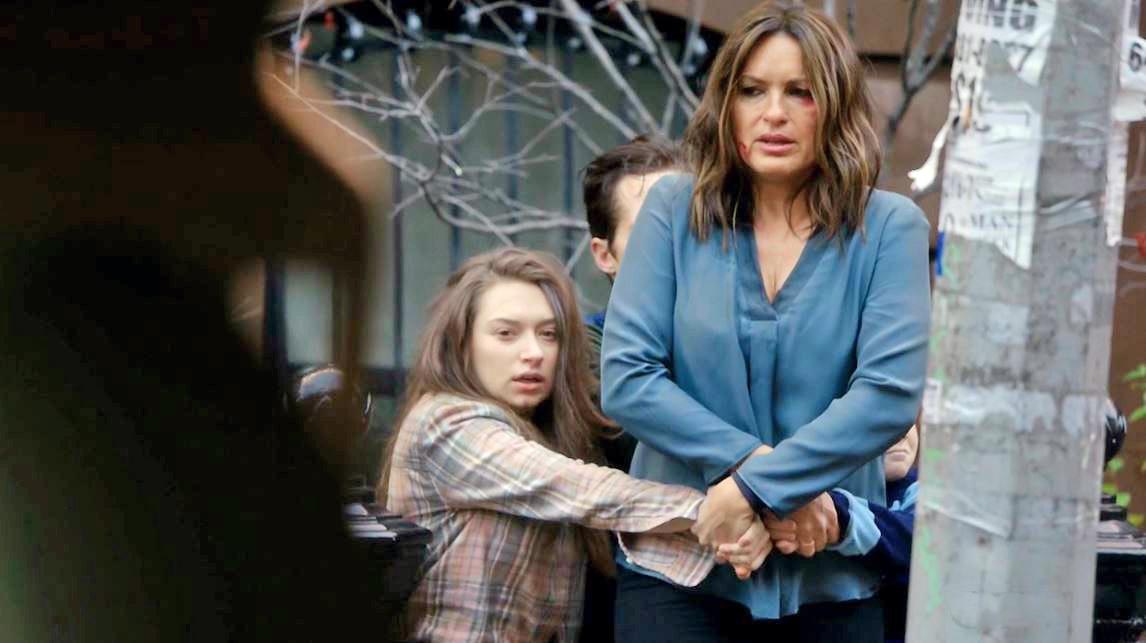
Turning Pain Into Advocacy
Through Joyful Heart, Hargitay championed the “End the Backlog” campaign, fighting to test hundreds of thousands of unprocessed rape kits across the United States. Her relentless efforts contributed to landmark reforms: all 50 states, Washington D.C., and Puerto Rico have now enacted at least one key pillar of rape kit reform legislation.
Hargitay trained as a rape crisis counselor and used her platform to normalize conversations about trauma and healing. “I didn’t take this job on SVU to do this work,” she once said. “But I think I was meant to do this.” The role didn’t just change her — it revealed a deeper calling.
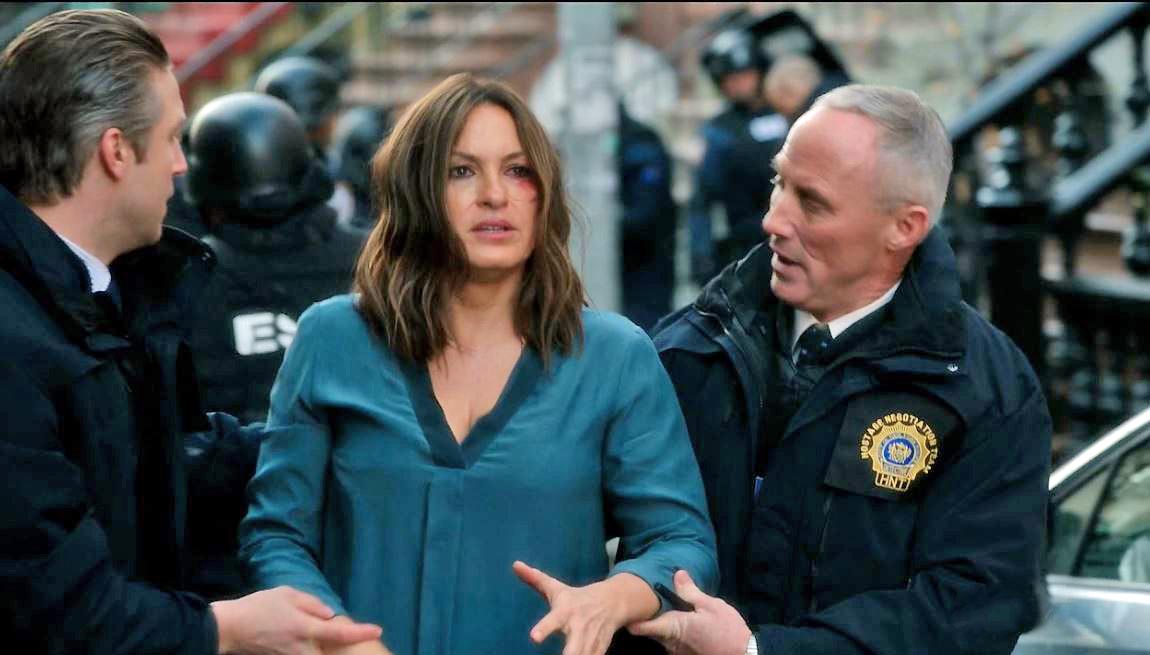
Even Benson’s on-screen journey mirrored Hargitay’s growth. In later seasons, the character confronted her own PTSD and past traumas, including the harrowing William Lewis storyline. Hargitay pushed for these storylines, believing they could model resilience and recovery for viewers. “Healing is possible if we face [trauma] and if we have the courage,” she shared.
Where Mariska Ends and Olivia Begins
After 25+ seasons, the boundaries have softened. “I don’t know anymore where Mariska ends and Olivia starts,” Hargitay admitted. “They’re just becoming so enmeshed… and I think that’s a good thing.” The character has become part of her identity — a symbol of strength, compassion, and unwavering advocacy.
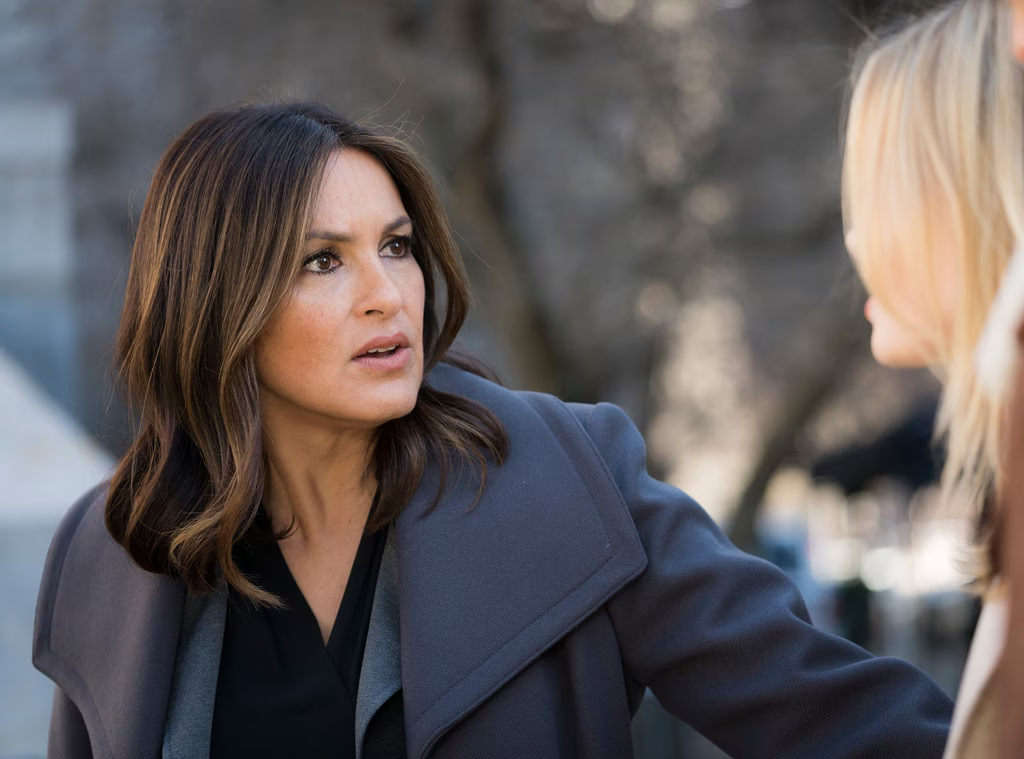
Fans often ask: Can a role truly change a person forever? For Hargitay, the answer is clear. SVU didn’t just make her a household name or earn her an Emmy — it awakened an activist within, deepened her empathy, and gave her a platform to drive meaningful change in the real world.
Olivia Benson feels authentic to audiences because the emotion behind the performance has always carried a thread of truth. Hargitay’s vulnerability on screen stems from genuine care for the stories she tells — and the survivors those stories represent.
A Lasting Legacy
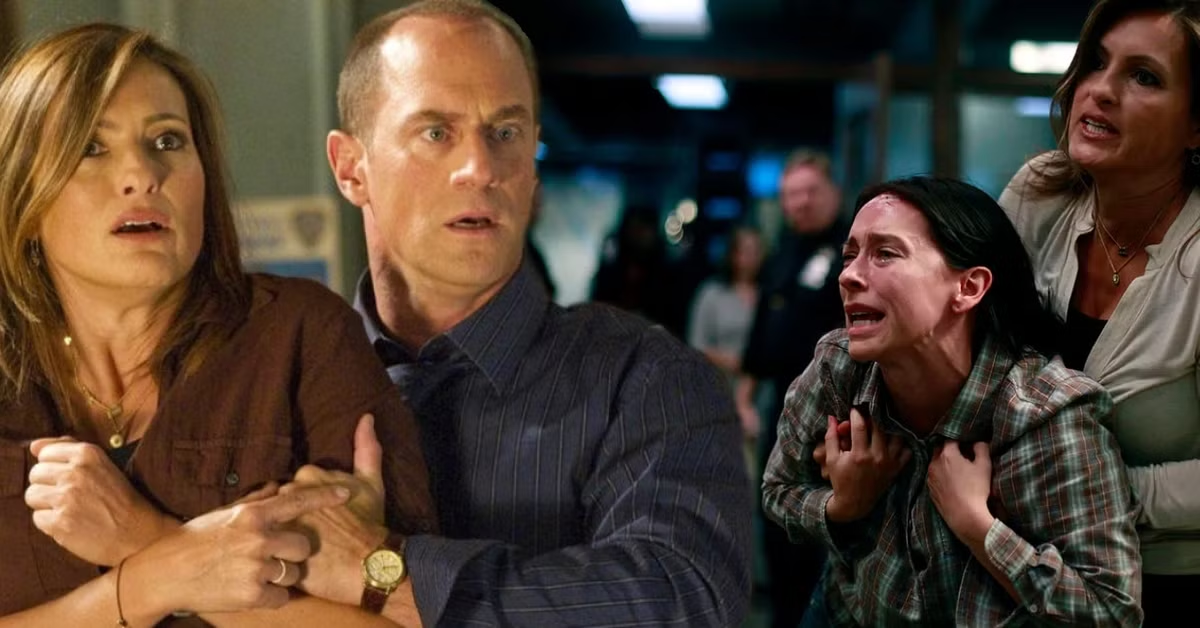
As Law & Order: SVU continues its historic run, Mariska Hargitay stands as proof that art can heal, awaken, and transform — both the performer and the audience. Her journey reminds us that behind powerful characters are real people who carry the weight of those roles, often turning personal cost into public good.
In a world that too often silences survivors, Hargitay’s voice — both as Benson and as herself — continues to say: You are seen. You are heard. And healing is possible.