NEWS: Elvis Presley Only Won 3 Grammys… Michael Jackson Won 13?!
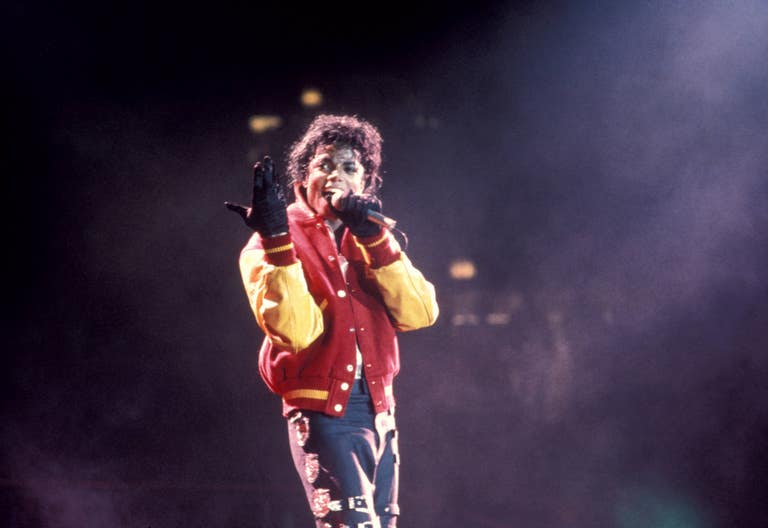
Elvis Presley vs. Michael Jackson: Two Kings, One Grammy Story That Still Sparks Debate Both icons revolutionized music and global culture, yet their Grammy records reveal a striking contrast in industry recognition.
In the pantheon of music legends, few names loom as large as Elvis Presley and Michael Jackson. One is forever the King of Rock & Roll, the other the King of Pop. Together, they sold hundreds of millions of records, broke cultural barriers, and shaped the sound of generations. But when it comes to Grammy Awards—the music industry’s highest honor—their tallies tell two very different stories.
Elvis Presley: The Pioneer Who Built the Foundation
Elvis Aaron Presley exploded onto the scene in the mid-1950s, blending rhythm and blues, country, and gospel into a revolutionary new sound that ignited rock & roll. With his signature swagger, magnetic stage presence, and unmistakable voice, he became a cultural phenomenon who challenged social norms and inspired countless artists, from The Beatles to Bruce Springsteen.
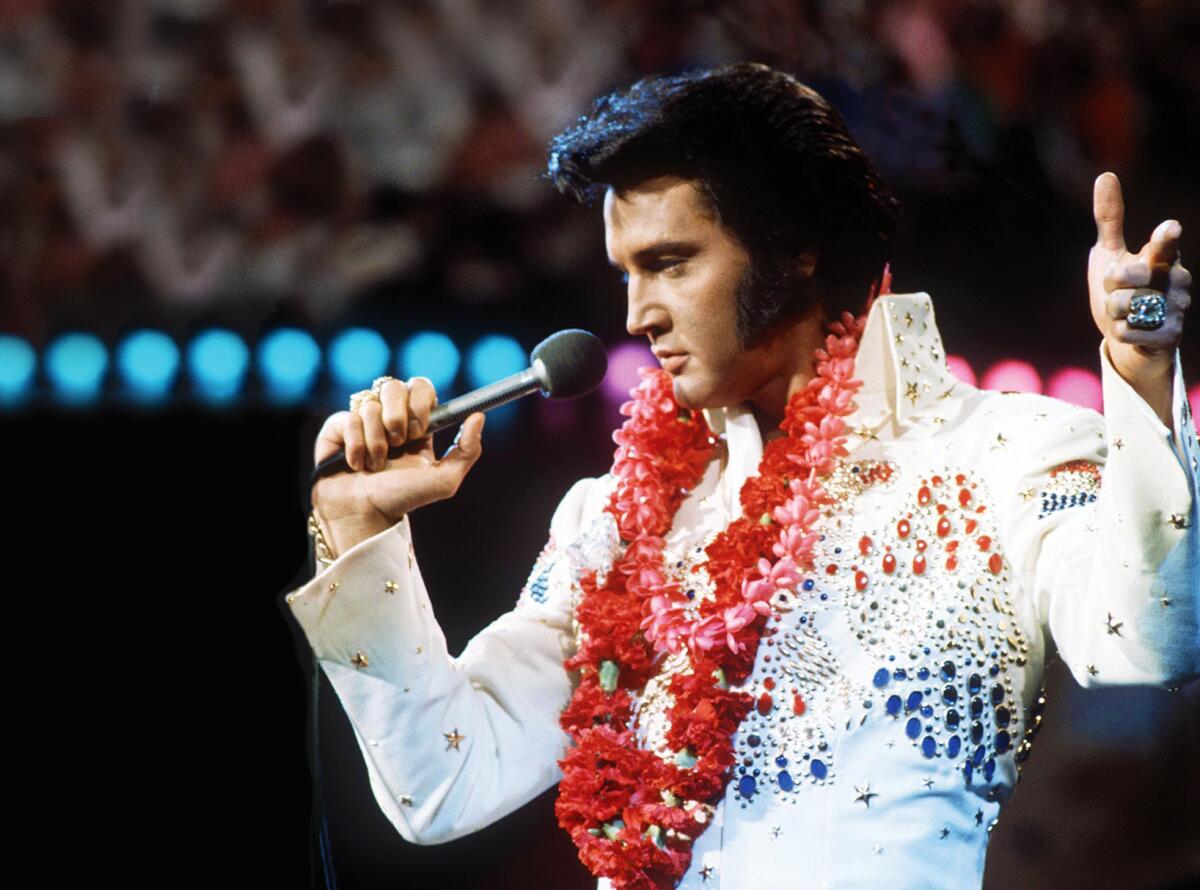
Despite his monumental impact, Elvis received only 3 competitive Grammy Awards—all in gospel and inspirational categories:
1967: Best Sacred Performance for How Great Thou Art
1972: Best Inspirational Performance for He Touched Me
1974: Best Inspirational Performance for a live version of How Great Thou Art
He earned 14 nominations over his career but never won for his groundbreaking rock, pop, or country work. In 1971, he received the Grammy Lifetime Achievement Award at just 36 years old, recognizing his overall contribution to music.
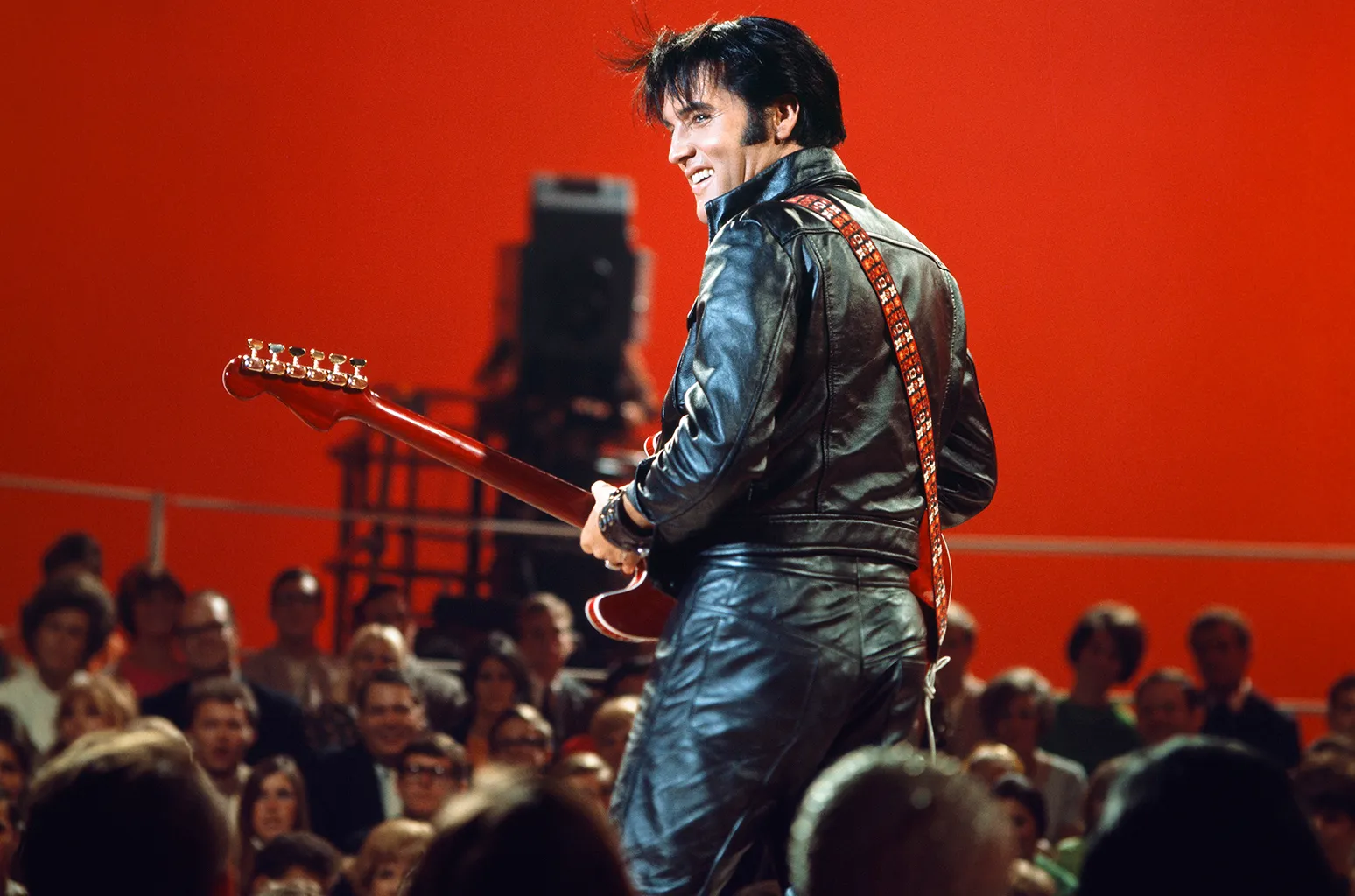
Many argue the Grammys “slept on” Elvis during his peak years. The awards, which began in 1959, were still finding their footing, and the rock & roll explosion he led was sometimes viewed skeptically by the industry establishment of the time.
Michael Jackson: The Unstoppable Force of the 1980s
Fast forward to the 1980s, and Michael Jackson took pop music to unprecedented heights. Thriller (1982) became the best-selling album of all time, blending pop, R&B, rock, and funk with groundbreaking music videos that turned MTV into a cultural powerhouse. His dance moves—the moonwalk, the anti-gravity lean—his fashion, and his showmanship redefined what a global superstar could be.
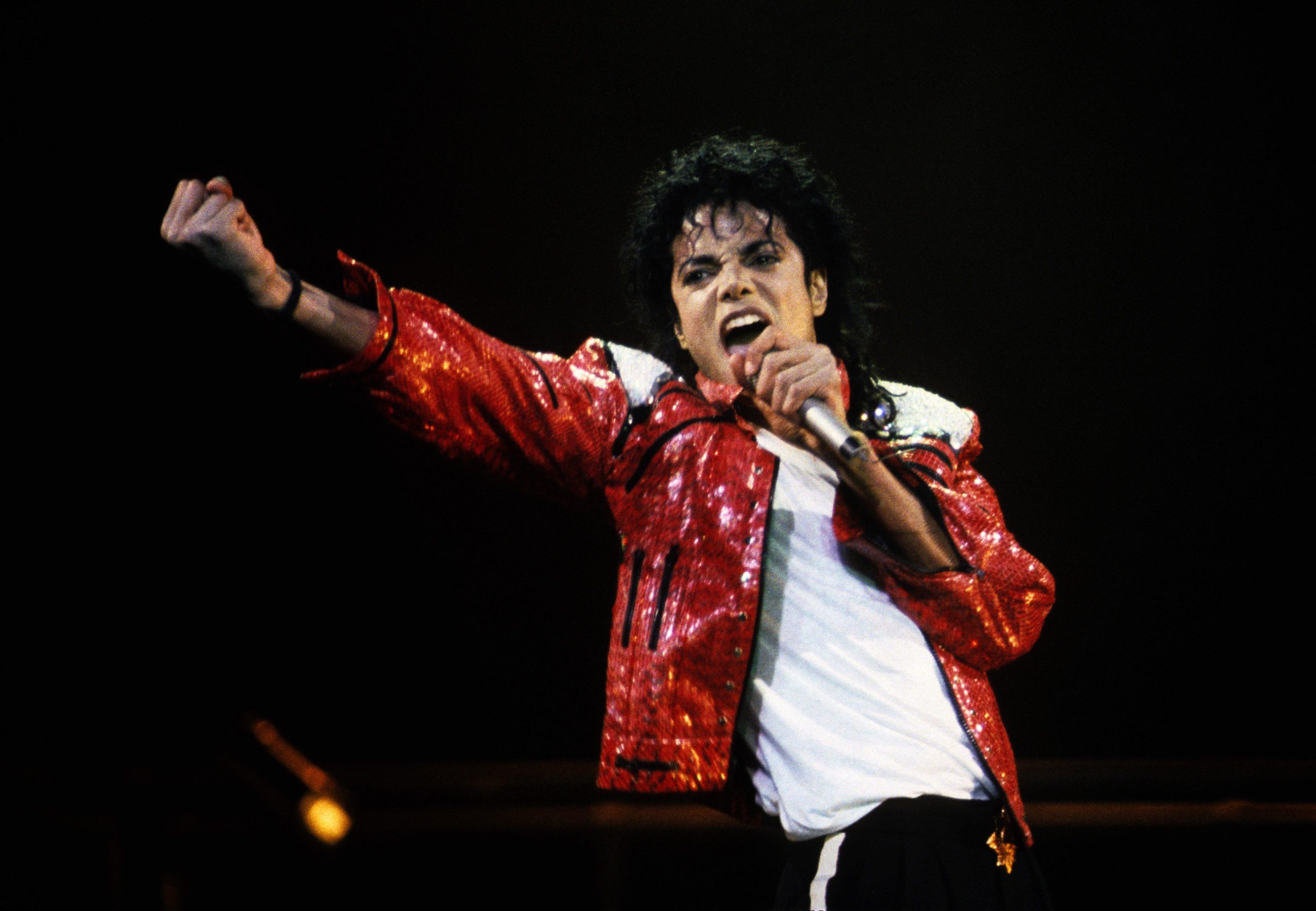
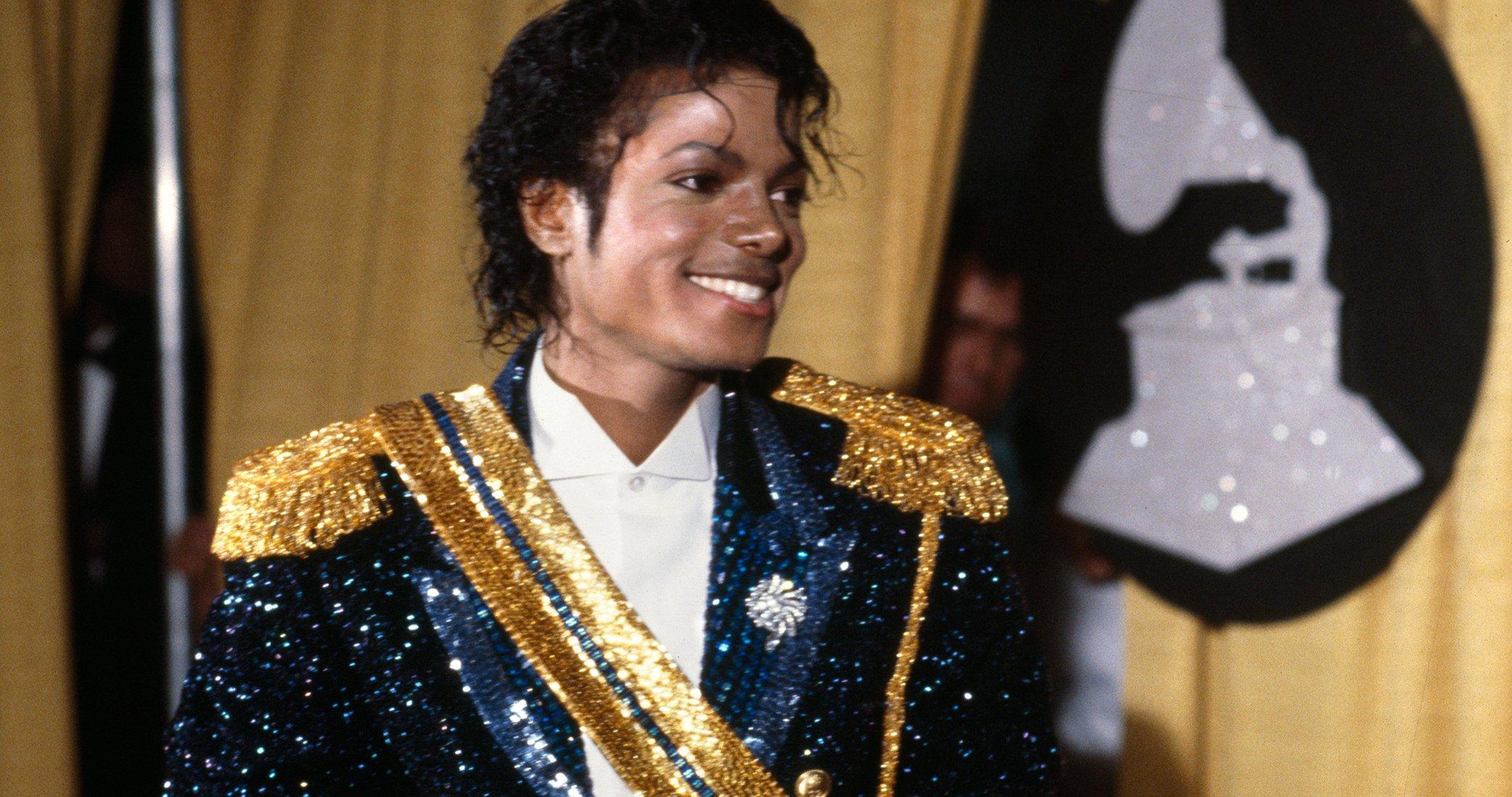
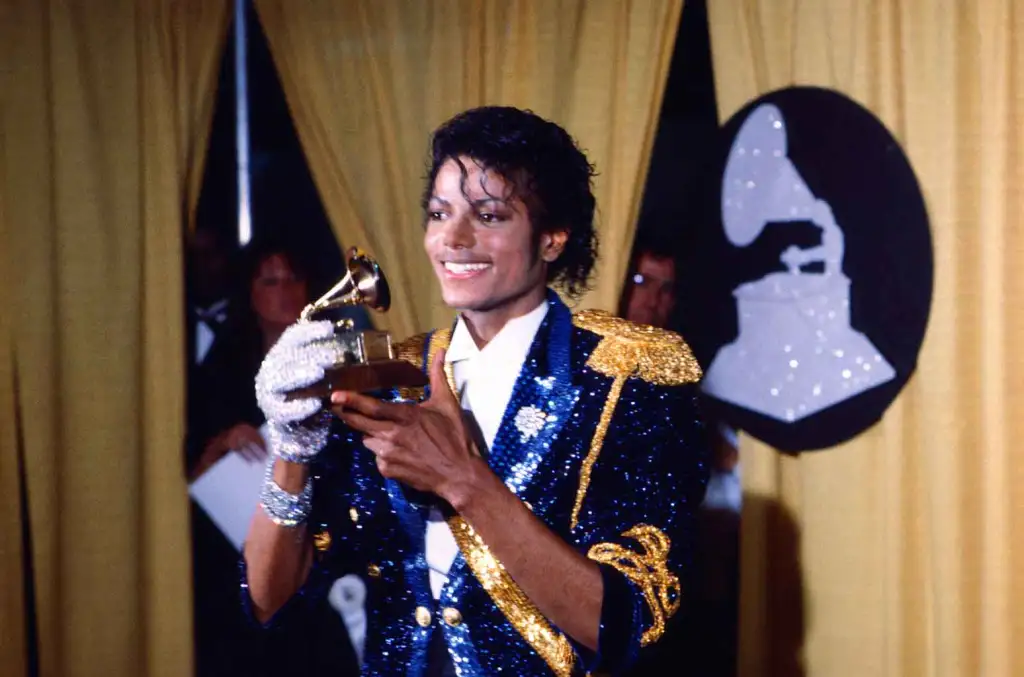
At the 1984 Grammy Awards, Michael made history by winning a record-breaking 8 awards in a single night for Thriller and related projects, including:
Album of the Year
Record of the Year (“Beat It”)
Multiple technical and performance categories
Across his career, Michael Jackson secured 13 Grammy Awards (plus the Legend and Lifetime Achievement honors). His dominance in the 1980s reflected a more modern, inclusive Grammy era that celebrated crossover pop success.
Same Level of Impact? Or Different Eras?
Both artists changed music forever, but their influences operated in distinct contexts:
Elvis broke racial barriers in the segregated 1950s, popularizing Black musical styles among white audiences and laying the groundwork for rock, pop, and modern celebrity culture.
Michael Jackson globalized pop in the MTV era, becoming the first Black artist to dominate the mainstream so completely. He elevated music videos into an art form, pushed boundaries in production and performance, and influenced virtually every major pop star who followed—from Justin Timberlake to Beyoncé and BTS.
Sales-wise, Elvis holds massive historical numbers (often estimated over 500 million records), while Michael’s certified sales and Thriller’s enduring legacy remain unmatched in the modern era.
The Grammy disparity highlights how awards often reflect the tastes and timing of their era rather than pure artistic or cultural impact. Elvis pioneered the revolution; Michael perfected and globalized it.
Who Had the Bigger Influence on Music History?
This question continues to divide fans and critics alike. Elvis ignited the fire of rock & roll that defined the second half of the 20th century. Michael Jackson took that flame and turned it into a worldwide supernova that still burns brightly today.
Ultimately, music history isn’t a zero-sum game. Both kings earned their crowns through talent, vision, and cultural timing. They didn’t just make music—they reshaped how the world hears it.
What do you think?