I crouched down immediately.
- LongVo
- July 1, 2026
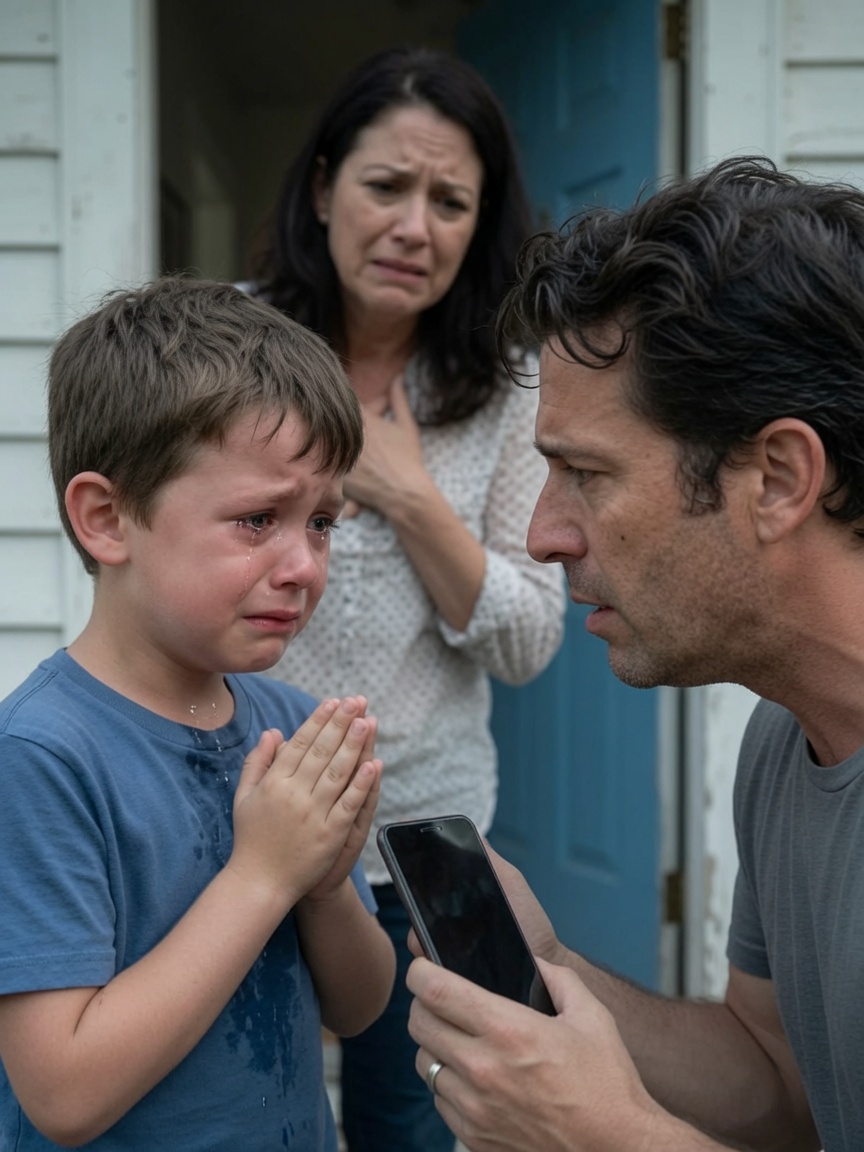
I crouched down immediately.
“Hey,” I said softly, trying to keep my voice steady. “You don’t have to sit. You’re safe. Just tell me what’s going on.”
But Liam didn’t look at me.
He was staring at the couch like it was something dangerous.
Not furniture.
Something he feared.
His hands were shaking harder now.
“I’m not supposed to sit,” he whispered again. “Mom said if I sit wrong… I mess things up.”
My stomach tightened.
“What does ‘mess things up’ mean?” I asked.
He flinched at the question like he didn’t want to remember the answer.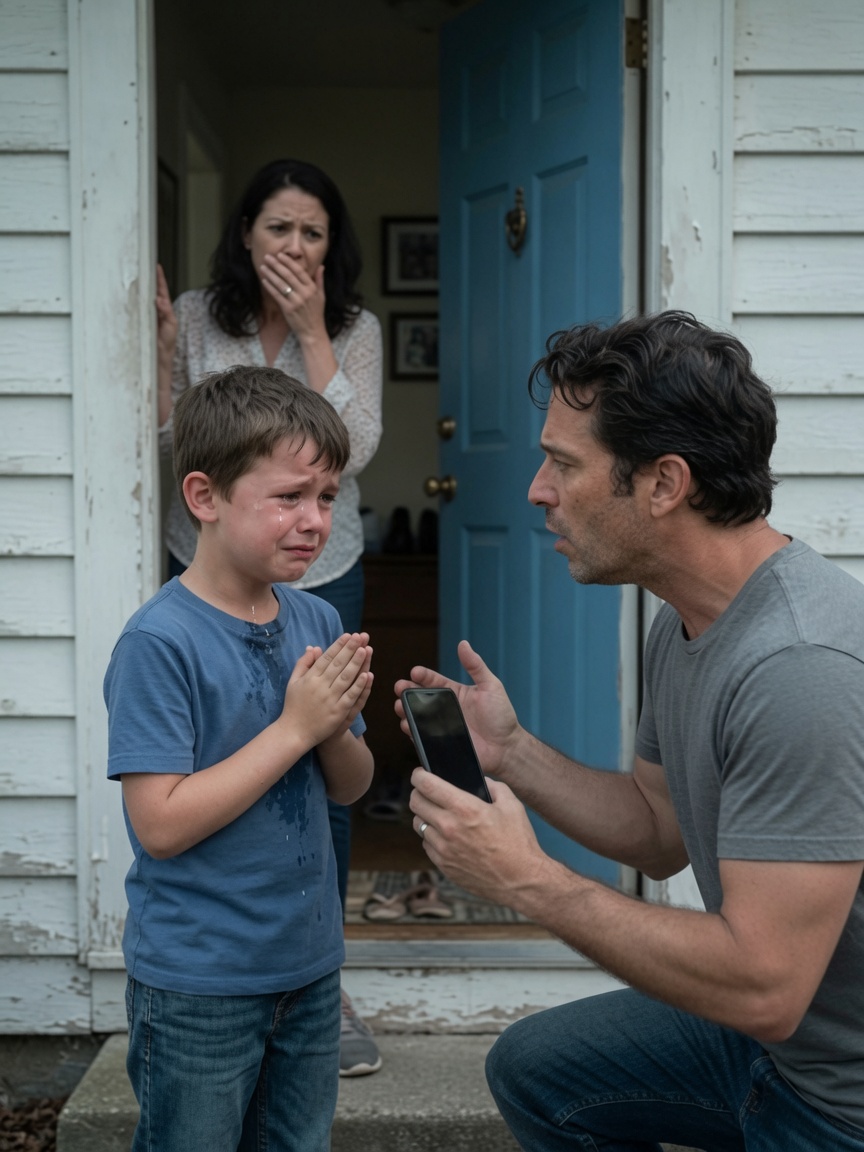
Then, barely audible:
“I don’t know. I just know it hurts after.”
That sentence changed everything.
Not because it was clear—
but because it wasn’t.
Kids don’t speak in confusion like that unless someone has trained them not to explain.
I guided him away from the couch, sitting on the floor instead so I wouldn’t force him into anything.
“Okay,” I said. “We won’t sit. You can stand. You can lie down. Whatever you want.”
He nodded quickly, like permission itself was unfamiliar.
Then I saw it.
A faint bruise along his lower back when his shirt shifted.
Small.
But wrong.
Too precise.
Not an accident shape.
My throat went dry.
“Liam,” I said carefully, “did someone hurt you?”
He didn’t answer at first.
His eyes filled, but no tears fell.
Then he whispered:
“I tried to be good.”
That was the moment I stood up.
Not fast.
Not dramatic.
Just certain.
I walked to the kitchen, grabbed my phone, and dialed.
“911, what is your emergency?”
“My son is here with me,” I said, keeping my eyes on him the entire time, “and I believe he has been physically harmed. I need an officer and medical assistance immediately.”
Liam panicked when he saw me on the phone.
“No—Dad, please—don’t call—”
He tried to move toward me, then stopped halfway, like even urgency had consequences.
I lowered myself again.
“You didn’t do anything wrong,” I said firmly. “Nothing you say or do changes that.”
His lips trembled.
“She said you wouldn’t believe me,” he whispered.
My grip tightened on the phone.
“Who said that, Liam?”
A long pause.
Then, so quietly I almost didn’t hear it:
“Mom.”
The dispatcher’s voice kept speaking, but it felt distant now.
Because everything in my apartment had narrowed down to one thing.
My son was afraid of sitting.
Afraid of telling.
Afraid of what “hurt after.”
And someone had convinced him that speaking the truth would make it worse.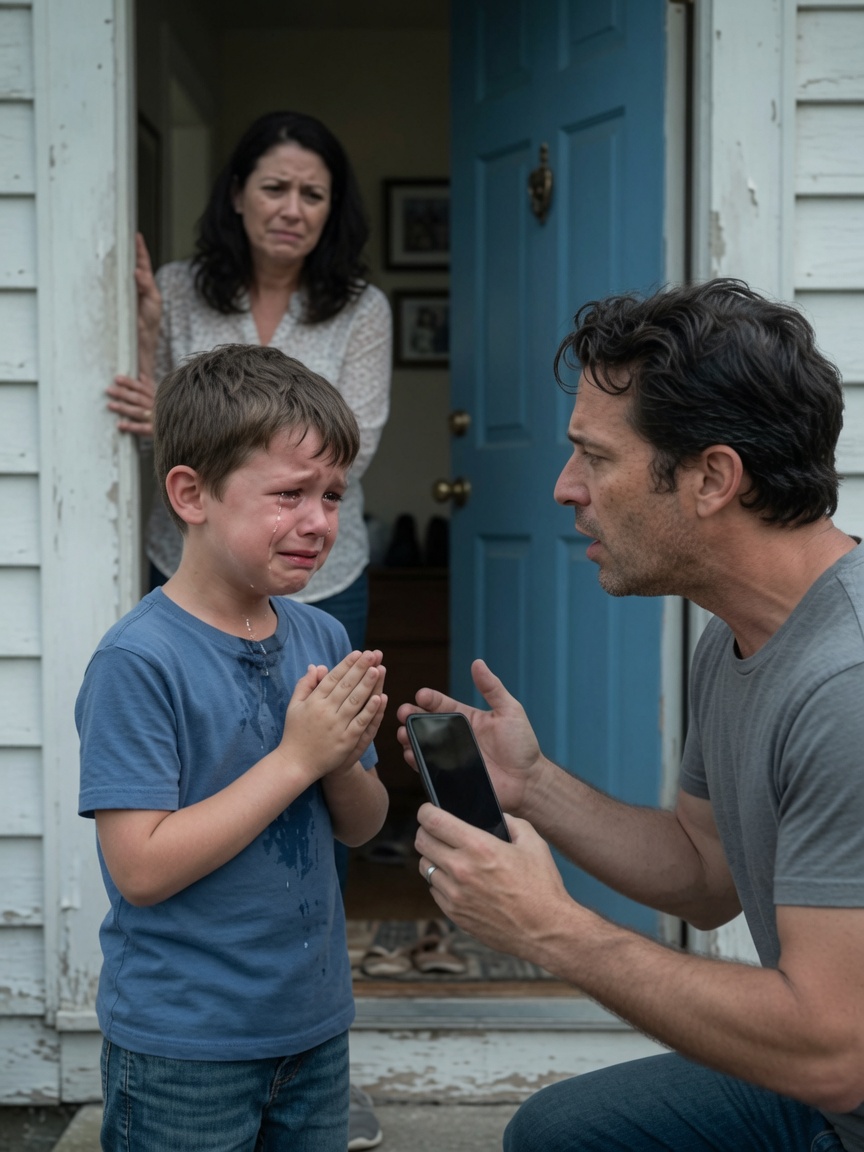
Outside my door, sirens began to rise in the distance.
Liam flinched at the sound.
I moved closer, slowly, until I was right in front of him.
“This is not your fault,” I said again. “You understand me?”
He hesitated.
Then nodded once.
But the fear didn’t leave his eyes.
Because whatever had been happening to him…
wasn’t something he thought would stop just because I believed him now.