Bear: The Rescue Dog Who Learned to Find Life in the Ashes
Bear: The Rescue Dog Who Learned to Find Life in the Ashes
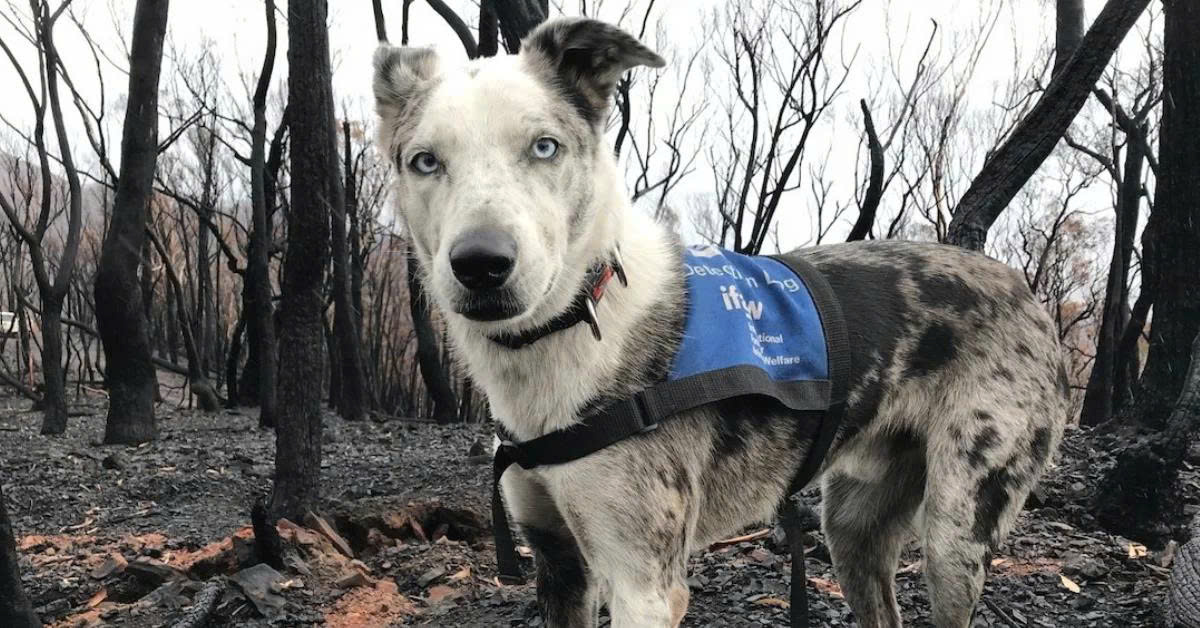
After Australia’s devastating bushfires tore through vast stretches of wilderness, the landscape was almost unrecognizable. Entire forests were reduced to charcoal. Tree trunks stood blackened and hollow. The air still carried the memory of fire long after the flames were gone. And in that silence, something fragile remained: wildlife trying to survive in a world that no longer looked like home. Among them were koalas—injured, dehydrated, and often hidden high in scorched eucalyptus trees. Finding them was nearly impossible for humans alone. That’s where Bear came in.
A Dog Trained for the Impossible Task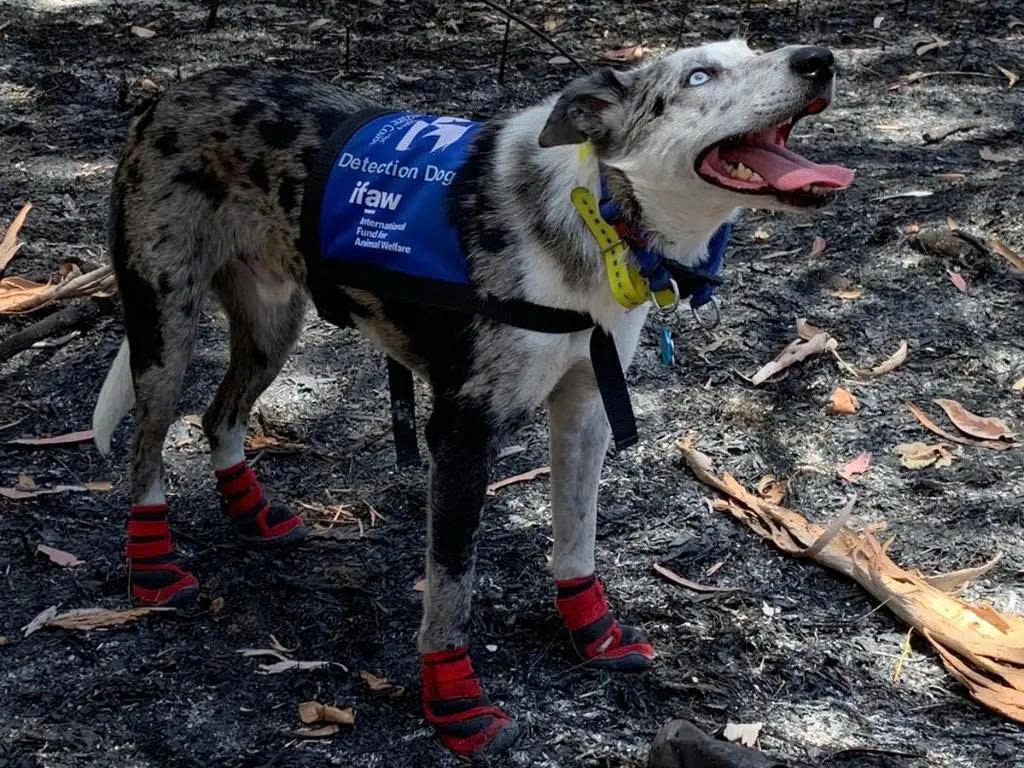
Bear was not born a hero. He was a rescue dog who had once needed rescuing himself, later trained for one of the most delicate conservation jobs in Australia: detecting koalas by scent. Koalas are difficult to locate even in normal conditions. After bushfires, the challenge becomes even harder—smoke, burned vegetation, and collapsed habitats erase almost every visual clue. But scent remains, and Bear’s nose became the bridge between survival and loss.
Into the Burned Forests
Equipped with protective boots to shield his paws from the still-hot ground and jagged debris, Bear worked alongside wildlife teams moving through devastated terrain. Every step was slow and careful. The forests were no longer forests in the traditional sense—just open stretches of ash, broken branches, and the faint outlines of what once stood tall. Humans scanned what they could see. Bear searched for what they couldn’t.
Following subtle scent trails carried through heat and smoke, he would stop, focus, and alert rescuers to something hidden above or within the burned canopy. And often, he was right.
Finding Life Where Nothing Seemed Left
One by one, koalas were located. Some were injured, clinging to damaged branches. Some were weak, unable to move far from the last remaining leaves they could find. Others were simply silent—too still to be noticed without help. Bear helped change that. Across his missions, he contributed to the discovery and rescue of more than 100 koalas after the fires, giving wildlife teams a chance to treat, rehabilitate, and release them back into safer environments.
Each rescue was small in isolation—but together, they represented something larger: survival after devastation.
The Quiet Nature of Heroism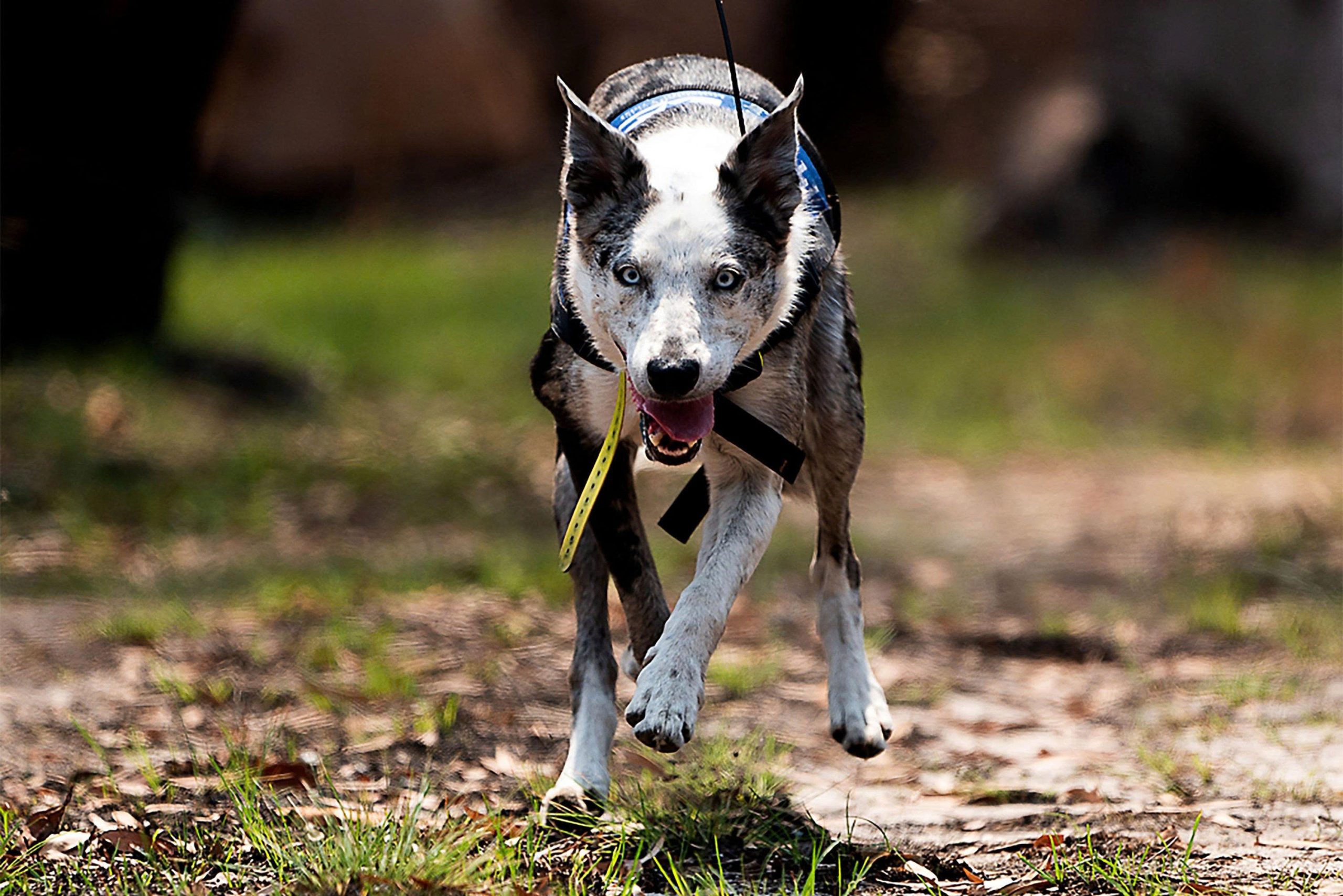
Bear never carried a weapon, never gave a speech, and never asked for recognition. He followed training, instinct, and trust. While the world often defines heroism through dramatic moments, Bear’s work was different. It was repetition. Focus. Endurance in harsh conditions where every search mattered, even when nothing was guaranteed.
A burned forest. A faint scent. A pause. A signal. And sometimes, a life saved.
More Than a Working Dog
Bear’s story is not just about disaster response—it is about what recovery looks like in its most practical form. Not grand gestures. Not headlines. But quiet cooperation between humans and animals, working through destruction to find what can still be saved.
A dog who once needed help became part of the reason others survived. No cape. No words. Just ash, heat-resistant boots, and a nose that refused to give up on life hidden in the ruins.
Bear wasn’t just a good dog. He was what recovery looks like when it has a heartbeat.