An Indian Restaurant Owner in Japan Faced Deportation After Nearly 30 Years — and Broke Down in Tears
An Indian Restaurant Owner in Japan Faced Deportation After Nearly 30 Years — and Broke Down in Tears
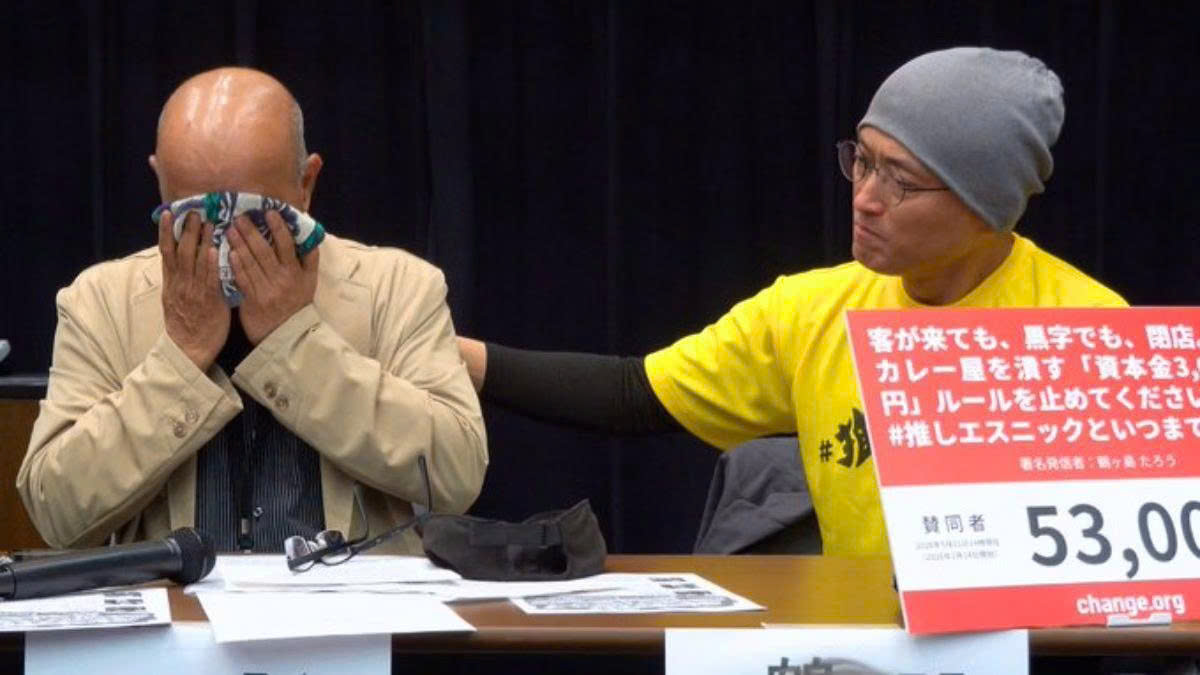
An emotional story from Japan has drawn attention after an Indian restaurant owner, Manish Kumar, reportedly broke down in tears when told he may have to leave the country he has called home for almost three decades.
Manish Kumar is said to have lived in Japan for nearly 30 years. In that time, he built a life from the ground up—raising a family, forming friendships, and establishing deep ties within his local community. For the past 18 years, he also ran an Indian restaurant that became a familiar part of the neighborhood, serving both locals and fellow immigrants.
For him, Japan was not just a place of work. It was home.
A Life Built Over Decades, Suddenly in Question
According to reports, the situation changed when Japan tightened regulations surrounding foreign residency and business-related visa renewals. As a result, Manish Kumar’s visa extension was rejected.
The decision meant something devastating in practical terms: after nearly 30 years of living, working, and building a life in Japan, he was suddenly being asked to leave.
The news reportedly came as a shock—not only to him, but also to those who knew him through his restaurant and community presence.
A Home That Is No Longer Simple to Define
What makes the story particularly painful is the situation of his family. His children were born and raised in Japan. They speak Japanese as their first language. Their education, friendships, and daily lives are all rooted in the country.
For them, Japan is not an adopted country—it is the only home they have ever truly known.
This creates a painful separation between legal identity and lived reality: while the paperwork defines one thing, life has defined another.
The Moment of Breaking Point
When Manish Kumar spoke about the possibility of being forced to return to India, he reportedly could not hold back his emotions. After decades of effort, uncertainty, and belonging, the idea of leaving everything behind became overwhelming.
The tears, according to those who described the moment, reflected more than fear of relocation. They reflected the weight of a life built slowly and steadily—now placed in question by a single administrative decision.
More Than a Visa Issue
On paper, the situation is about immigration rules, residency status, and policy enforcement. But stories like this often carry a deeper human dimension.
They raise questions about what it means to belong somewhere after decades of contribution:
Can a place still feel like home if the law says otherwise?
What happens to families who have grown roots in one country but hold different legal status?
And how do you measure a life built over 30 years when it comes down to a document?
A Life on Hold
Manish Kumar’s story is not only about one man or one restaurant. It reflects a broader reality faced by many long-term foreign residents around the world—people who build lives, raise children, and contribute to communities, yet remain vulnerable to shifting policies.
A restaurant that served a neighborhood.
A family raised in one culture.
A life built day by day over decades.
And now, all of it standing on a single visa decision that could change everything.