Fetal Surgery Offers Early Intervention Following Spina Bifida Diagnosis

Fetal Surgery Offers Early Intervention Following Spina Bifida Diagnosis
At a routine 20-week prenatal scan, Lucas’s parents were informed that their baby had been diagnosed with spina bifida, a congenital condition in which the spine and spinal cord do not develop properly.
The diagnosis brought significant concern for the family, who were referred to specialists for further evaluation and discussion of treatment options.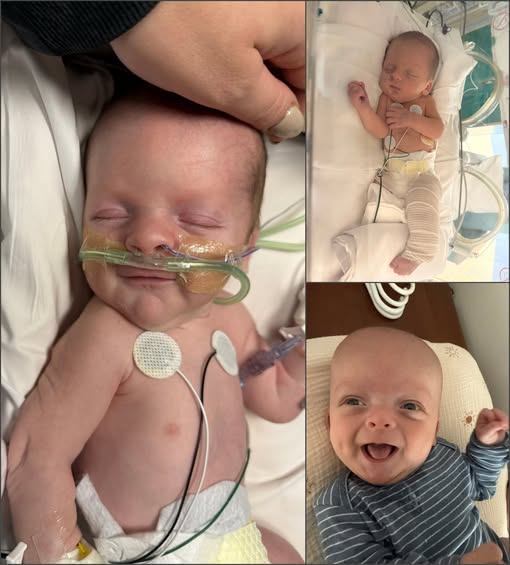
In certain cases, fetal surgery may be offered as an advanced medical intervention aimed at improving outcomes for babies diagnosed before birth. Lucas underwent this type of specialized procedure while still in the womb, performed by a multidisciplinary team of maternal-fetal medicine and pediatric surgical specialists.
Following the intervention, the pregnancy continued under close medical supervision with regular monitoring to assess both maternal and fetal health.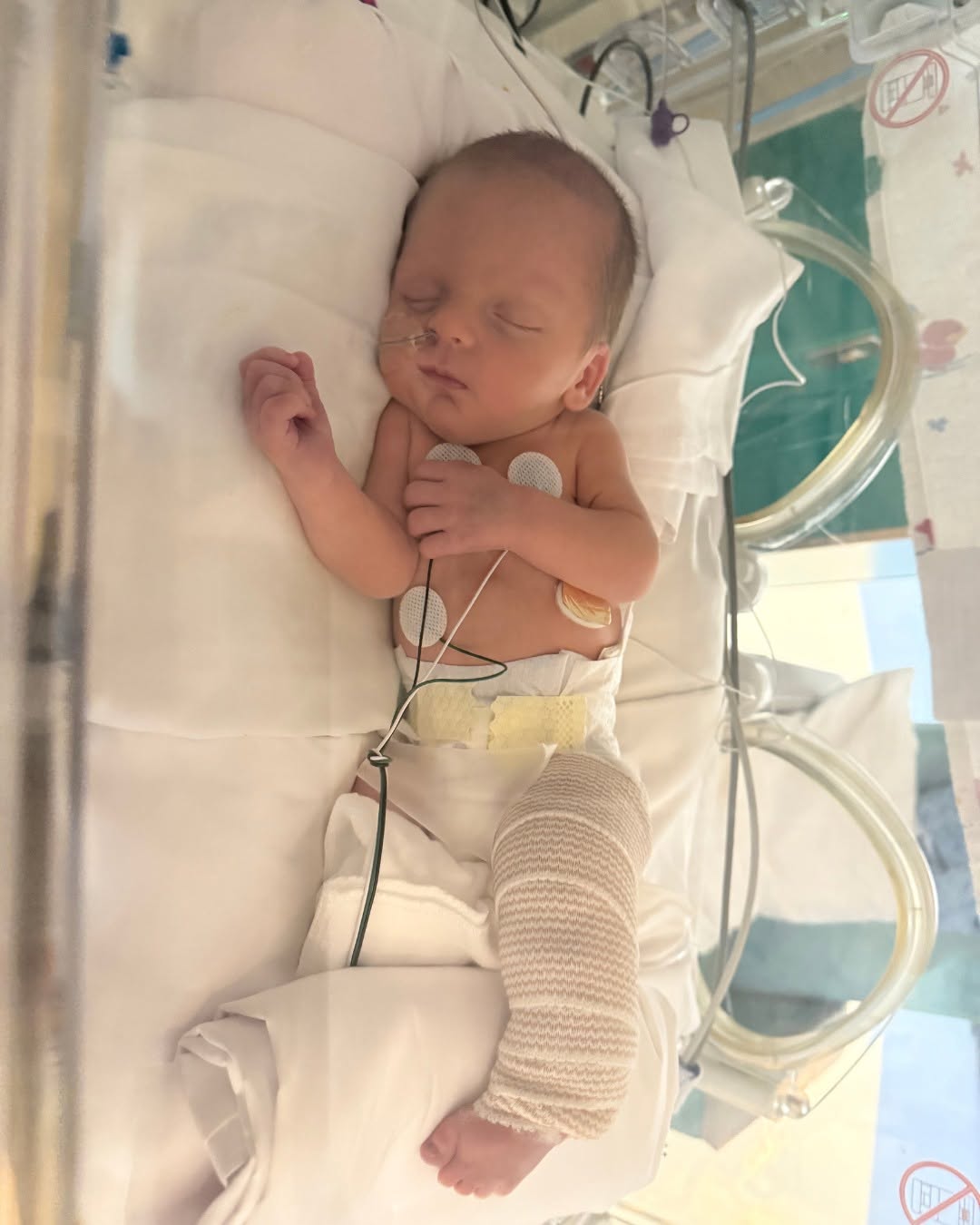
After birth, Lucas received ongoing care from pediatric specialists, including neurology, orthopedics, and rehabilitation teams, as part of a long-term treatment plan.
Medical experts note that early intervention, including fetal surgery in selected cases of spina bifida, can improve mobility outcomes and reduce certain complications, though outcomes vary depending on severity.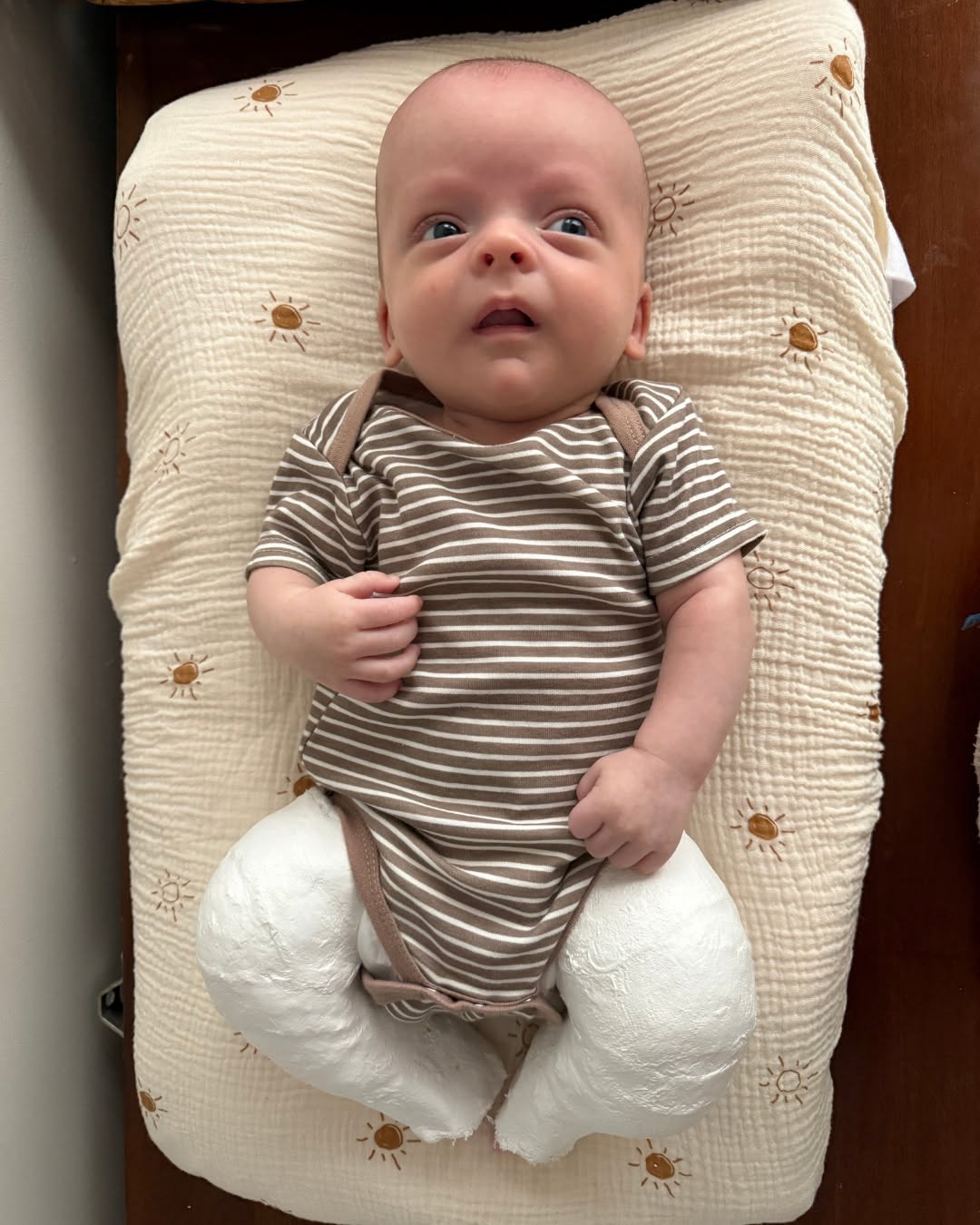
Lucas continues to be followed by his medical team as he grows, with therapy and developmental support tailored to his needs.
His case reflects ongoing advances in prenatal medicine and the importance of specialized care pathways for complex congenital conditions.